
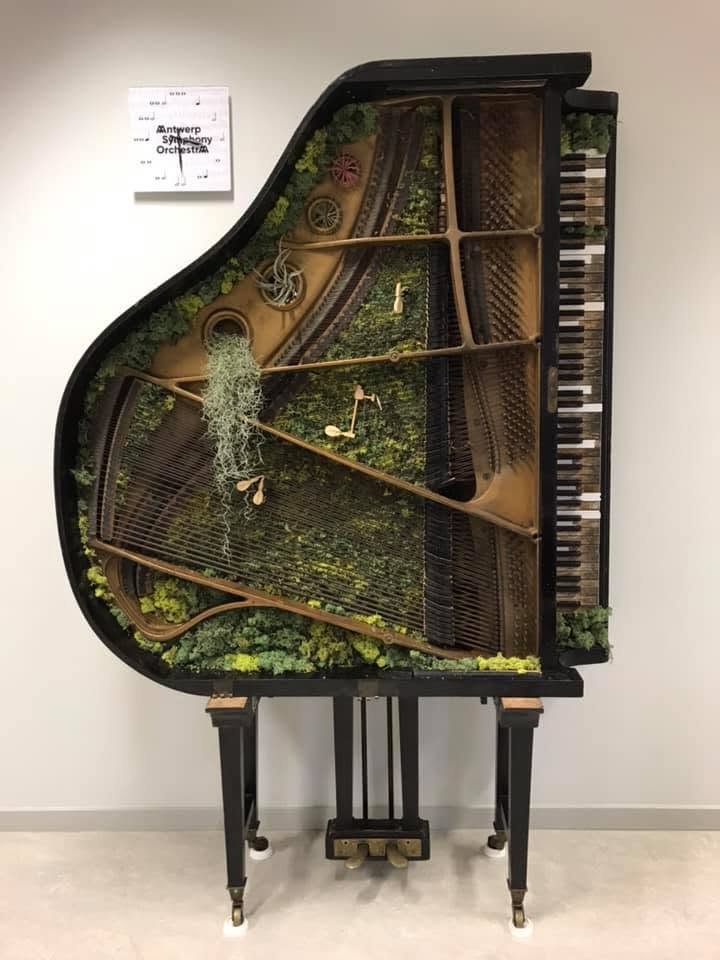
The Art of Letting Go
Letting go sounds simple, but what does it really mean? From a piano that held personal meaning to my experience with mindfulness, I explore letting go, acceptance and the art of letting things be.
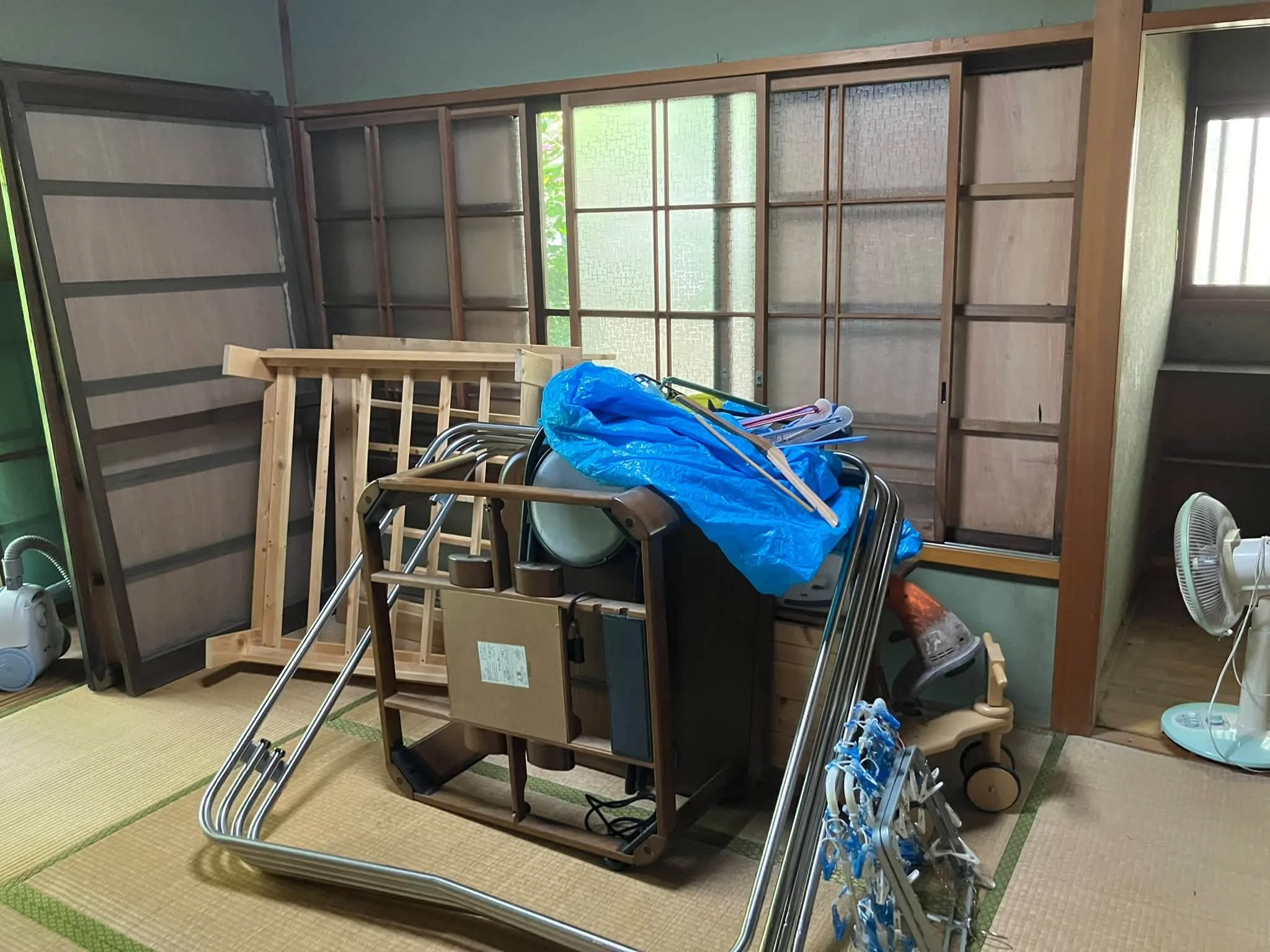
Akiya: Why Are So Many Japanese Houses Empty?
Why are there so many empty houses in Japan? From akiya and inherited belongings to shūkatsu and traditional homes, I look at what happens when a house reaches the end of its life.
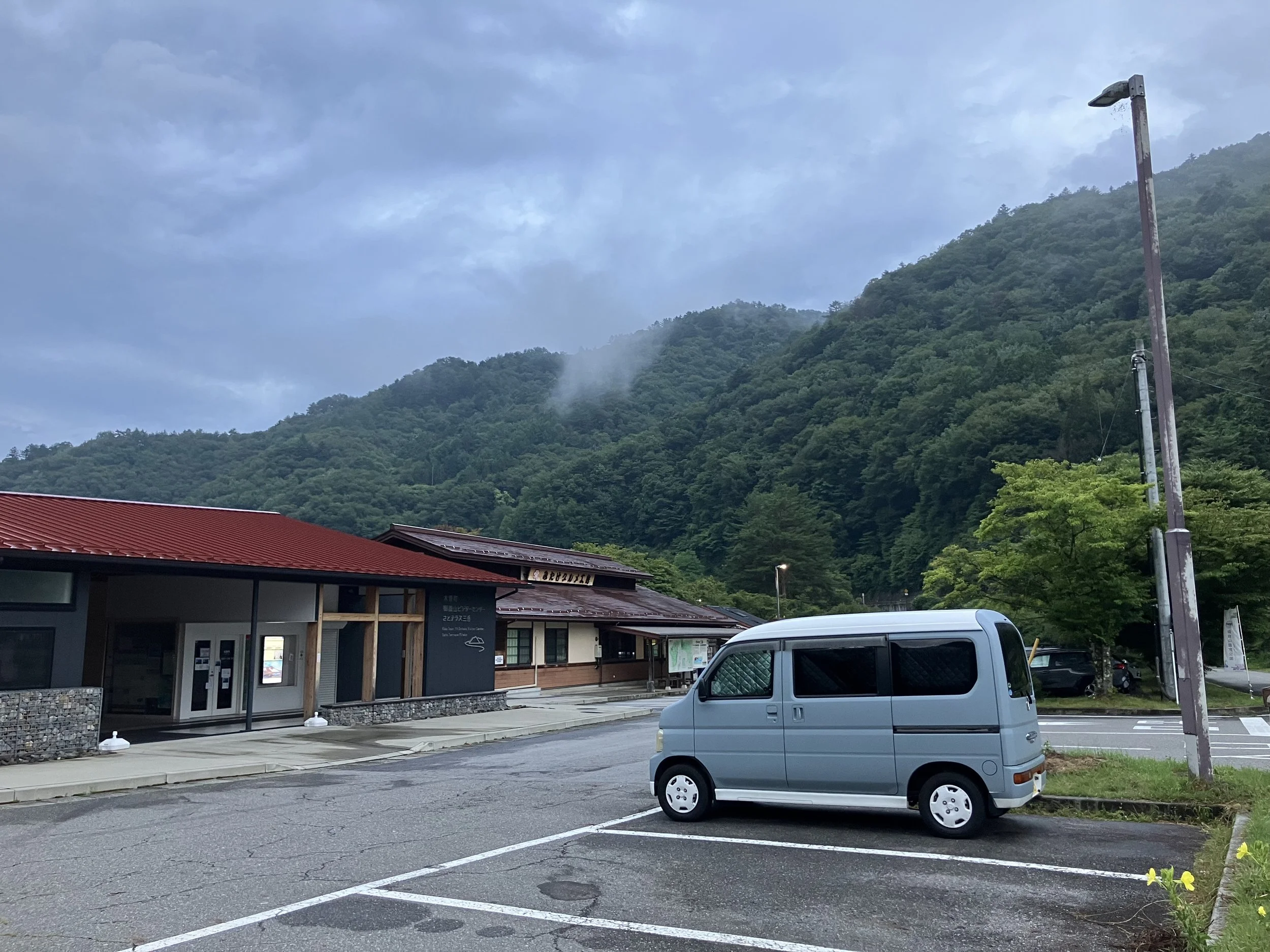
Van Life in Japan: Trying Out a Kei Camper Van
We wanted to try van life in Japan, so we rented a tiny kei camper and set off from Tokyo. Here’s what we discovered about 車中泊, roadside stations, RV parks and camping in the Japanese summer.
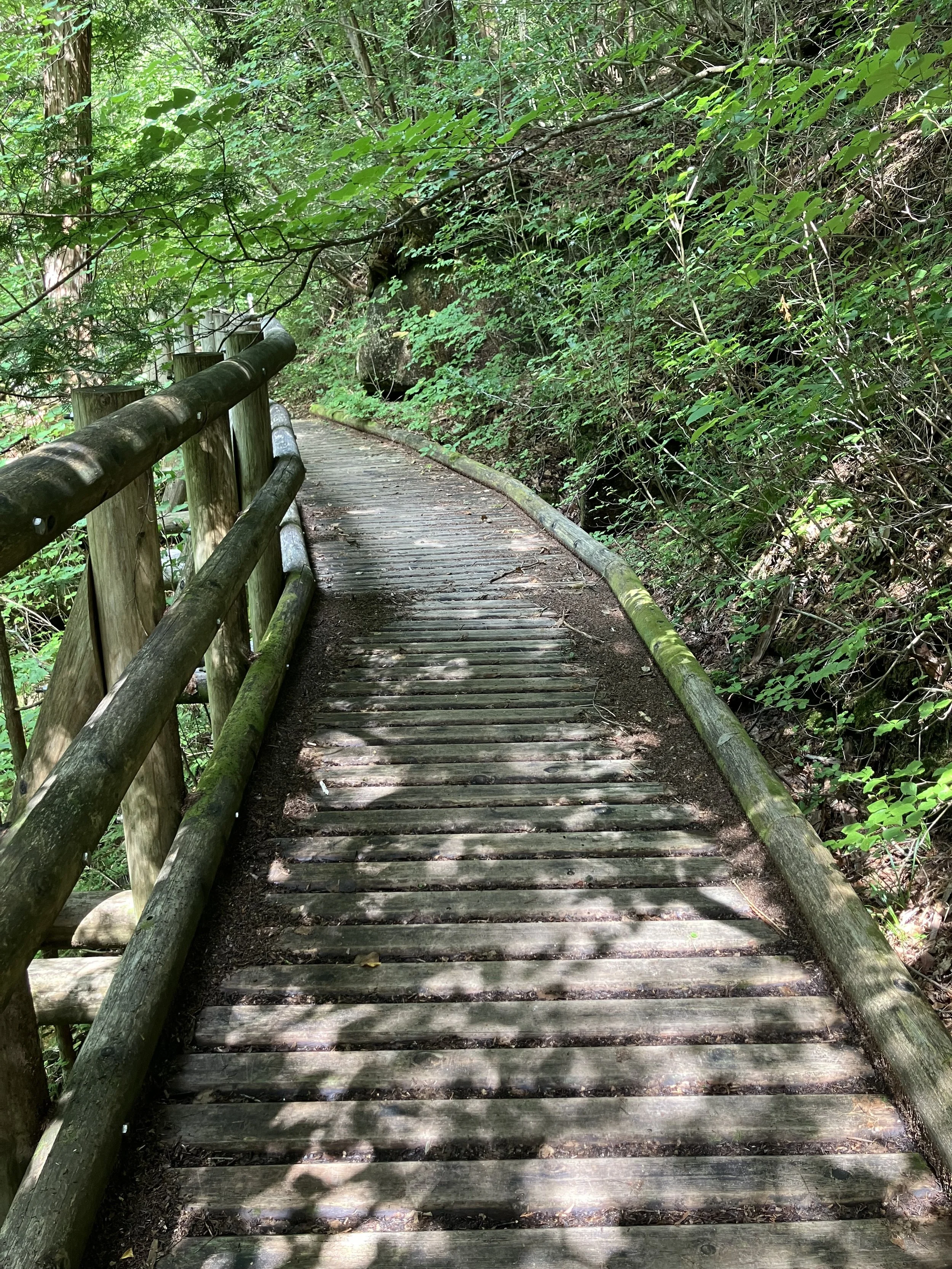
Akasawa Natural Recreation Forest: Where Shinrin-yoku Began
I visited Akasawa Natural Recreation Forest in Nagano just after completing my Forest Therapy Guide course. Known as the birthplace of shinrin-yoku, this ancient Kiso hinoki forest taught me a lot about forest bathing — including how to capture the komorebi.
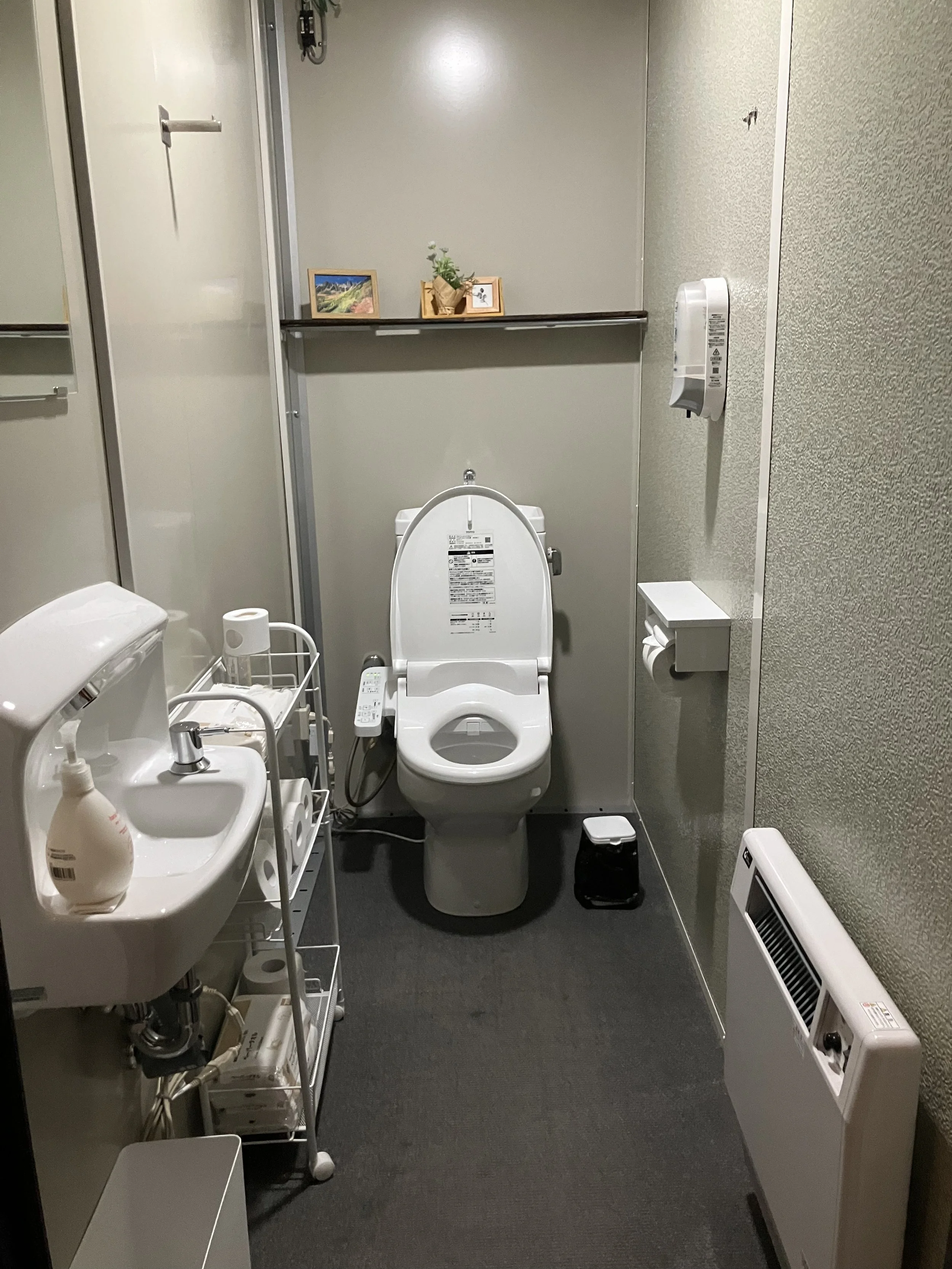
Why I Miss Japanese Toilets
I miss Japanese toilets already. From washlets and heated seats to clean, free public toilets, Japan has turned something completely ordinary into a surprisingly pleasant experience.
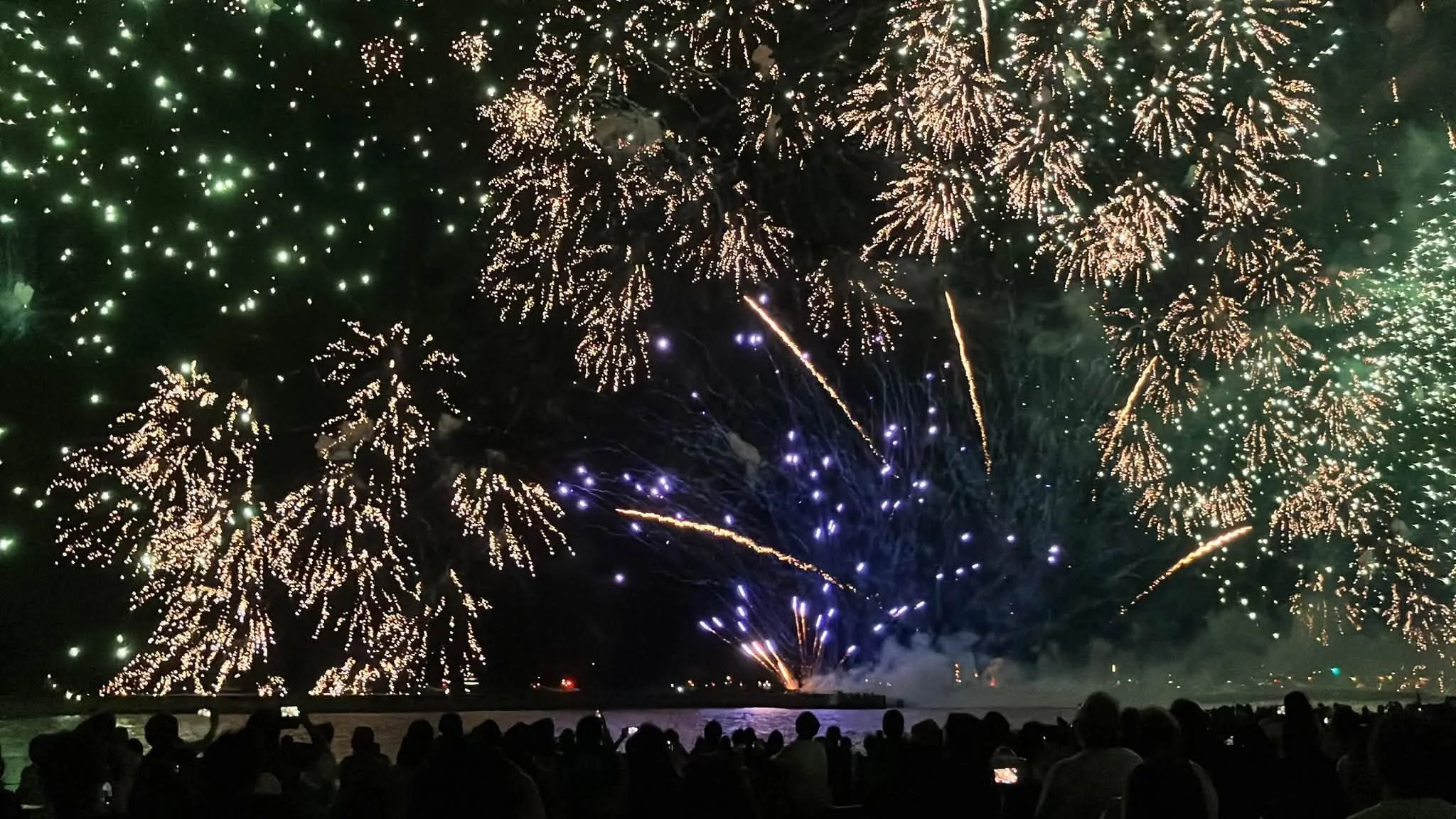
Fireworks: Why Japan Saves Them for Summer
In Japan, fireworks mean summer. I finally experienced a Japanese fireworks festival from the beach — 20,000 fireworks, bentō, trains and a perfect summer night.
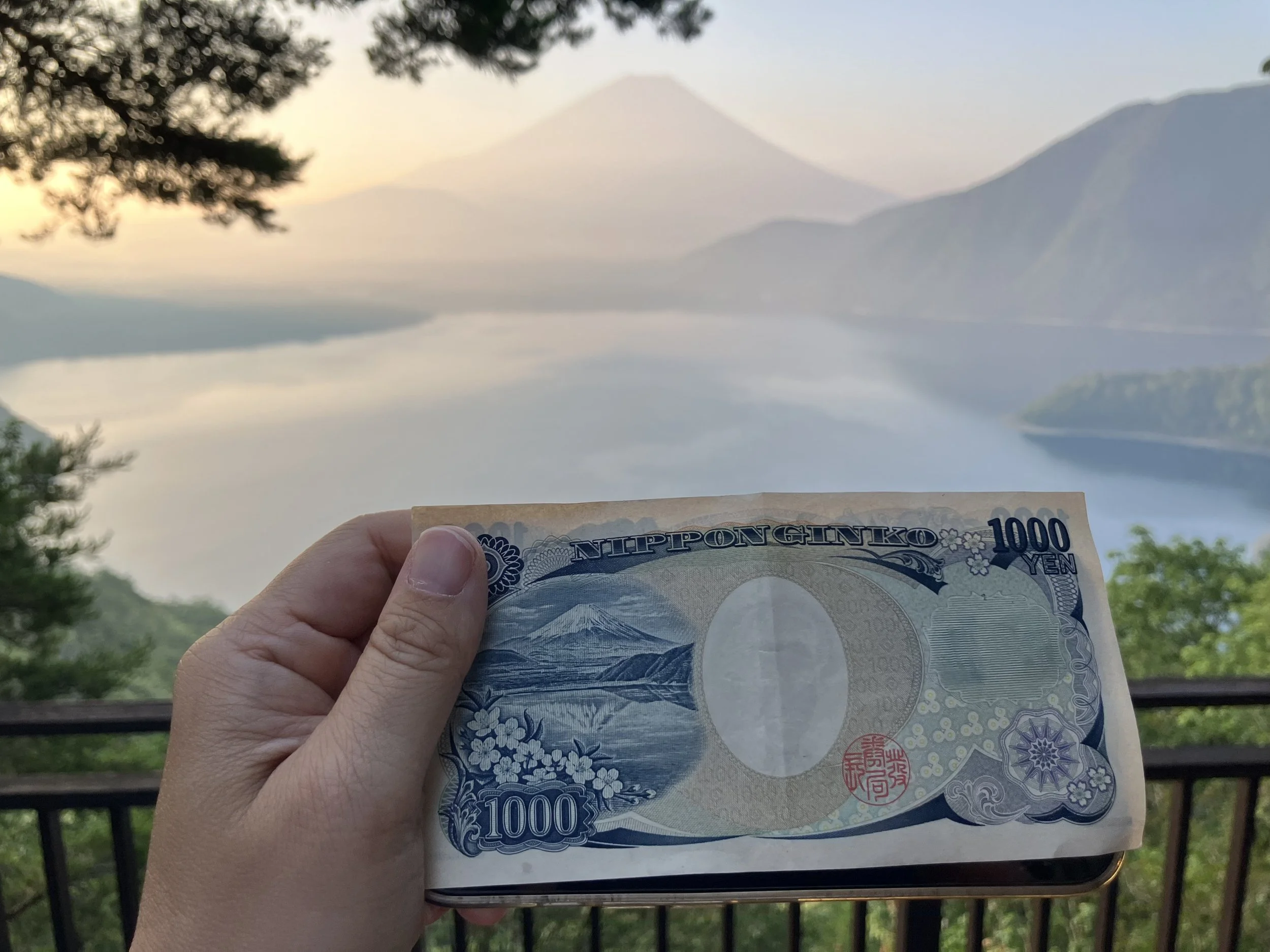
Mount Fuji: The Mountain You Might Not See
We spent three days at Motosu Lake trying to see Mount Fuji in the summer. From a glimpse through the clouds to a 4 am sunrise, this is what finally happened.
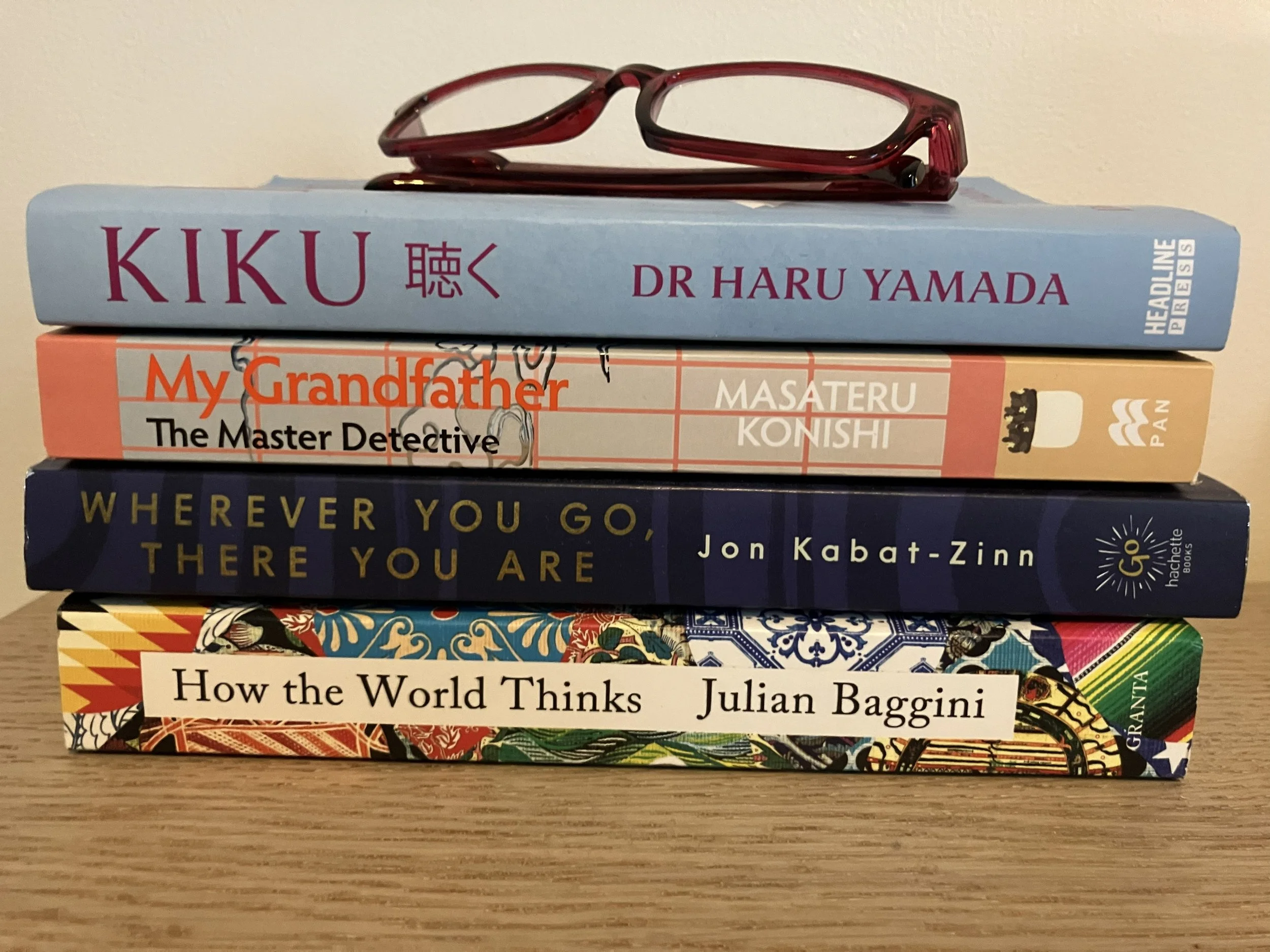
Tsundoku (積読, tsundoku): The Art of Buying Books You Haven't Read (Yet)
A Japanese word led me down a linguistic rabbit hole, and back to my own ever-growing pile of unread books. Why do we buy books we aren't ready to read yet?
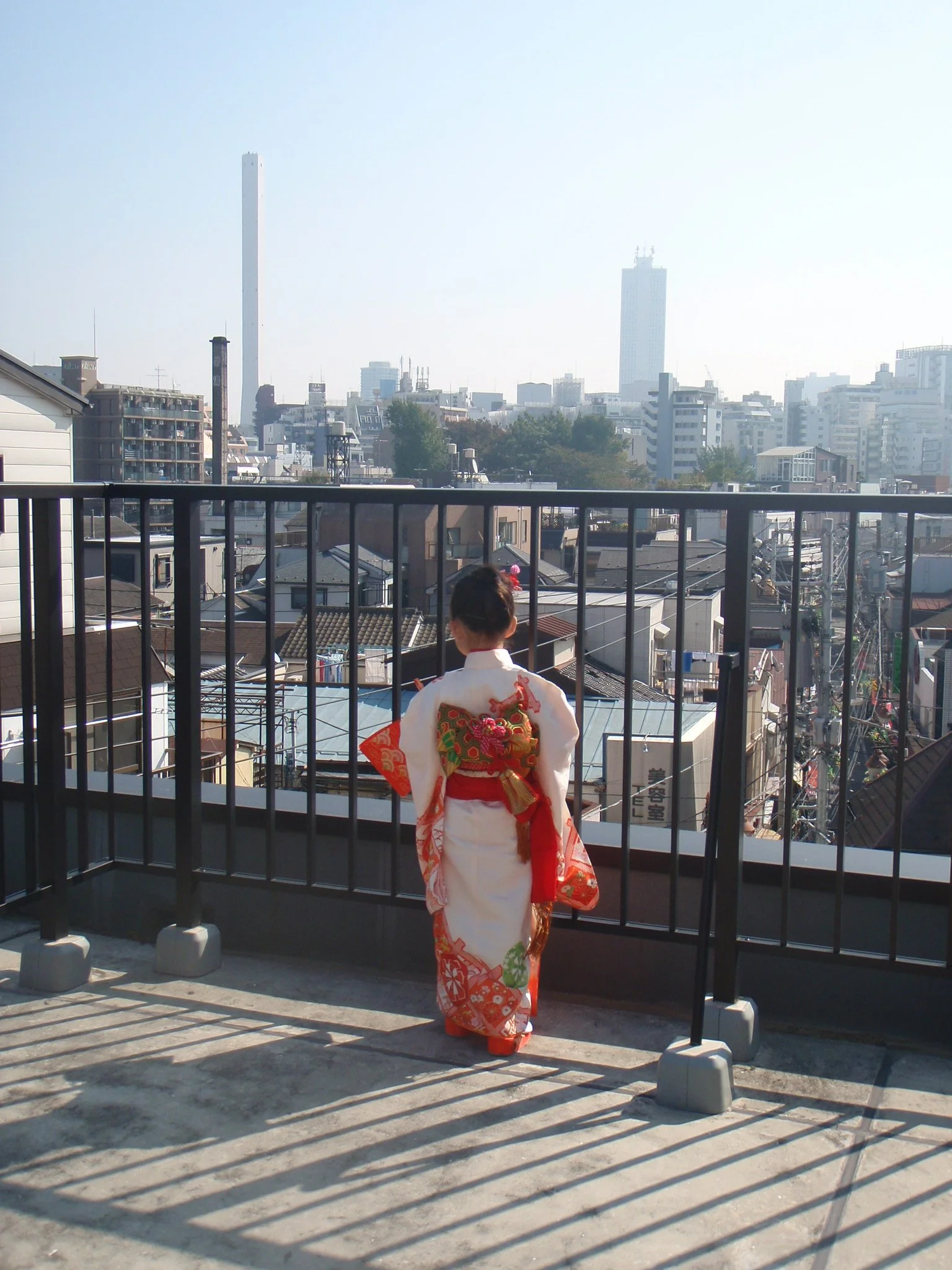
Furusato – What Is That?
What is your furusato? It is usually translated as “hometown,” but for me, it is a place I wasn’t born or even raised in: Ikebukuro, where five generations of family memories remain.
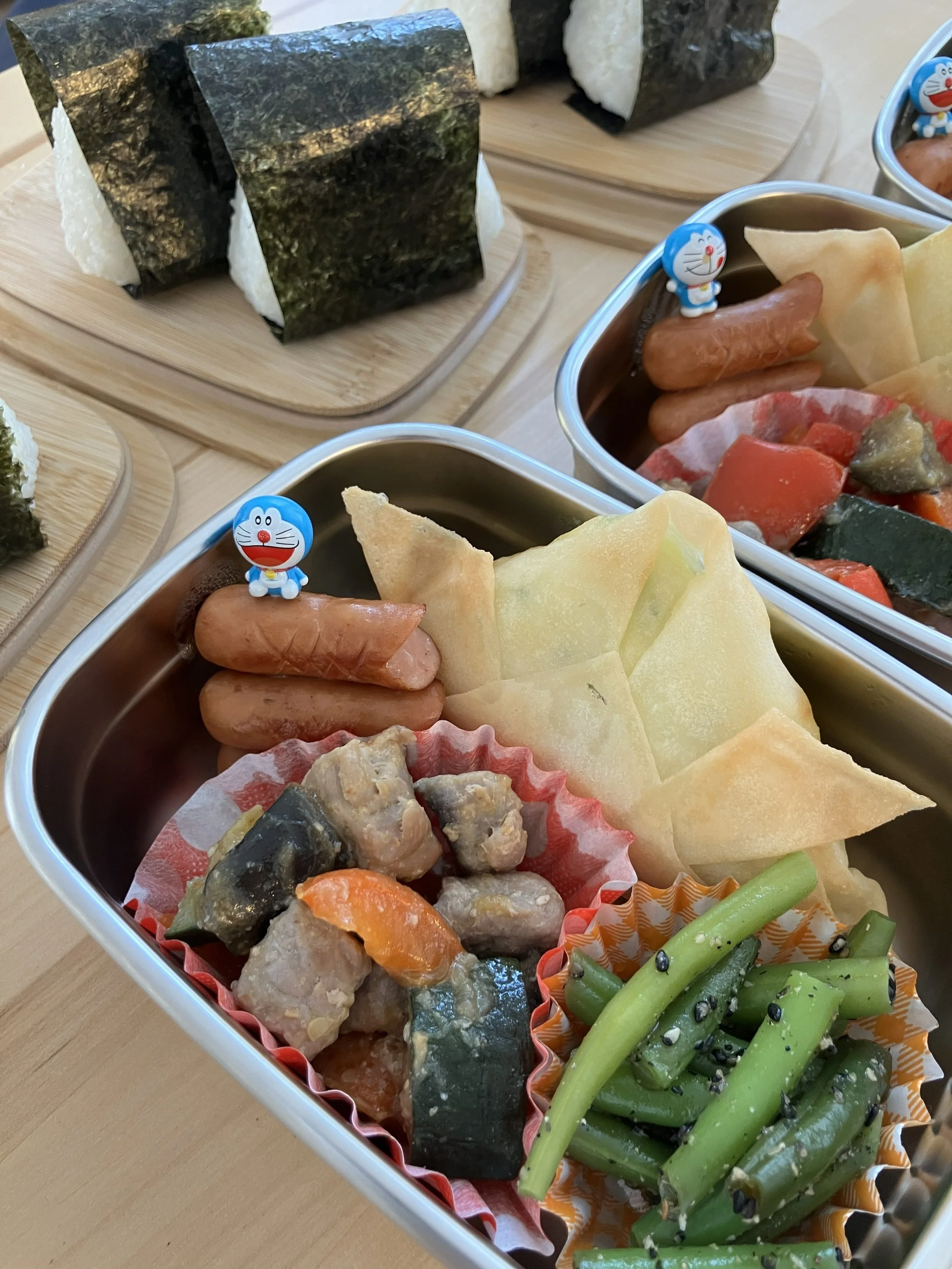
Kodomo no Hi
May 5 is Kodomo no Hi, Children’s Day in Japan. Discover the story behind koinobori, Tango no Sekku and the Five Seasonal Festivals of Japan.
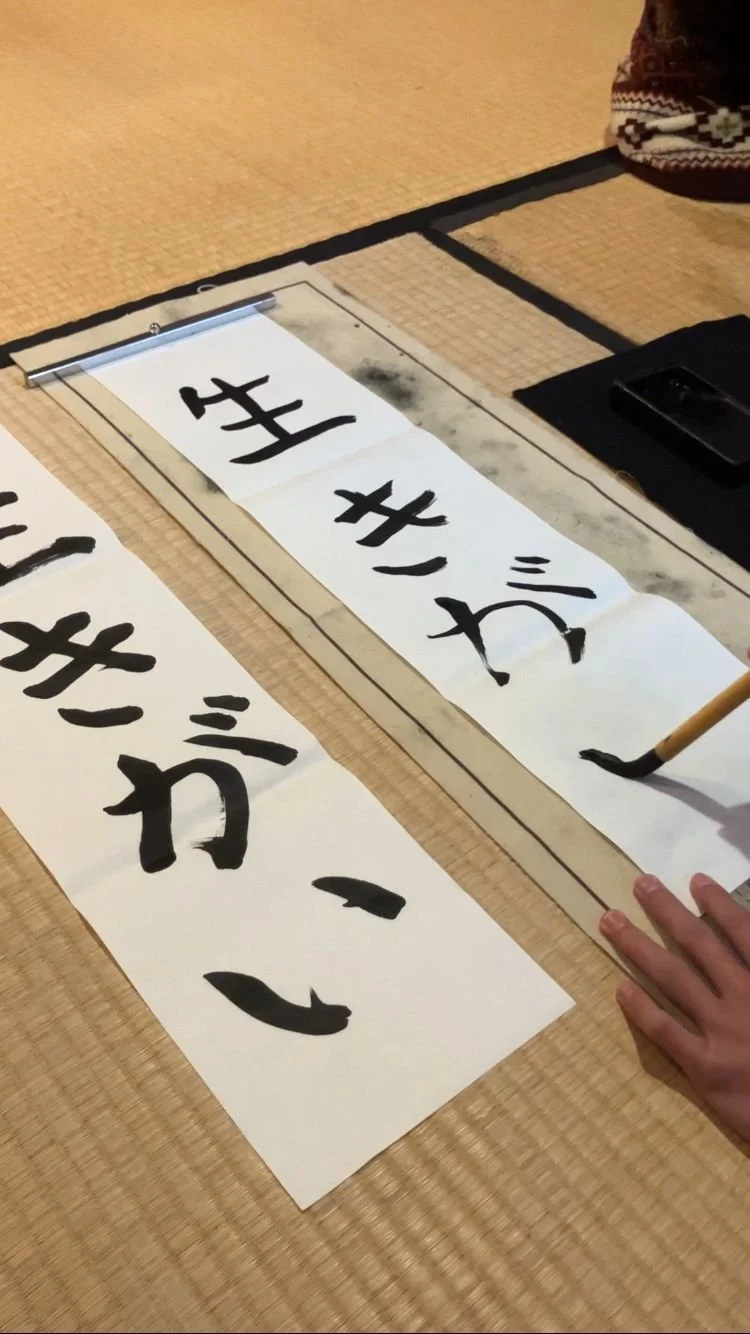
the Day of Beginnings
January 2 is a Day of Beginnings in Japan. Growing up, it meant kakizome—the first calligraphy of the year—and the moment when the New Year already started asking us to begin again.
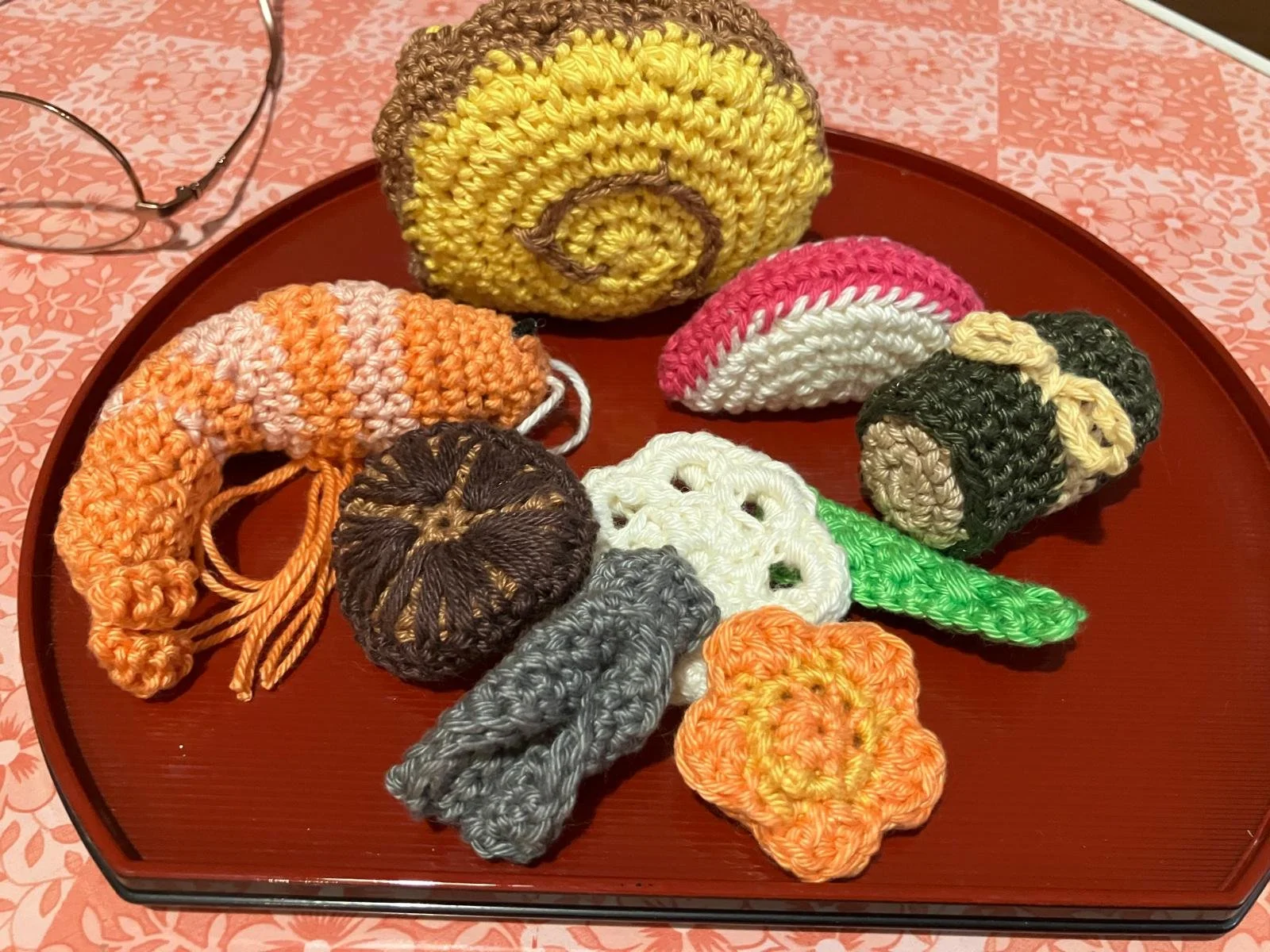
New Year’s Food: Osechi
Osechi ryōri is Japanese New Year food filled with symbolism. I make my own version in Rotterdam, adapting family traditions, ingredients and flavours for a new generation.
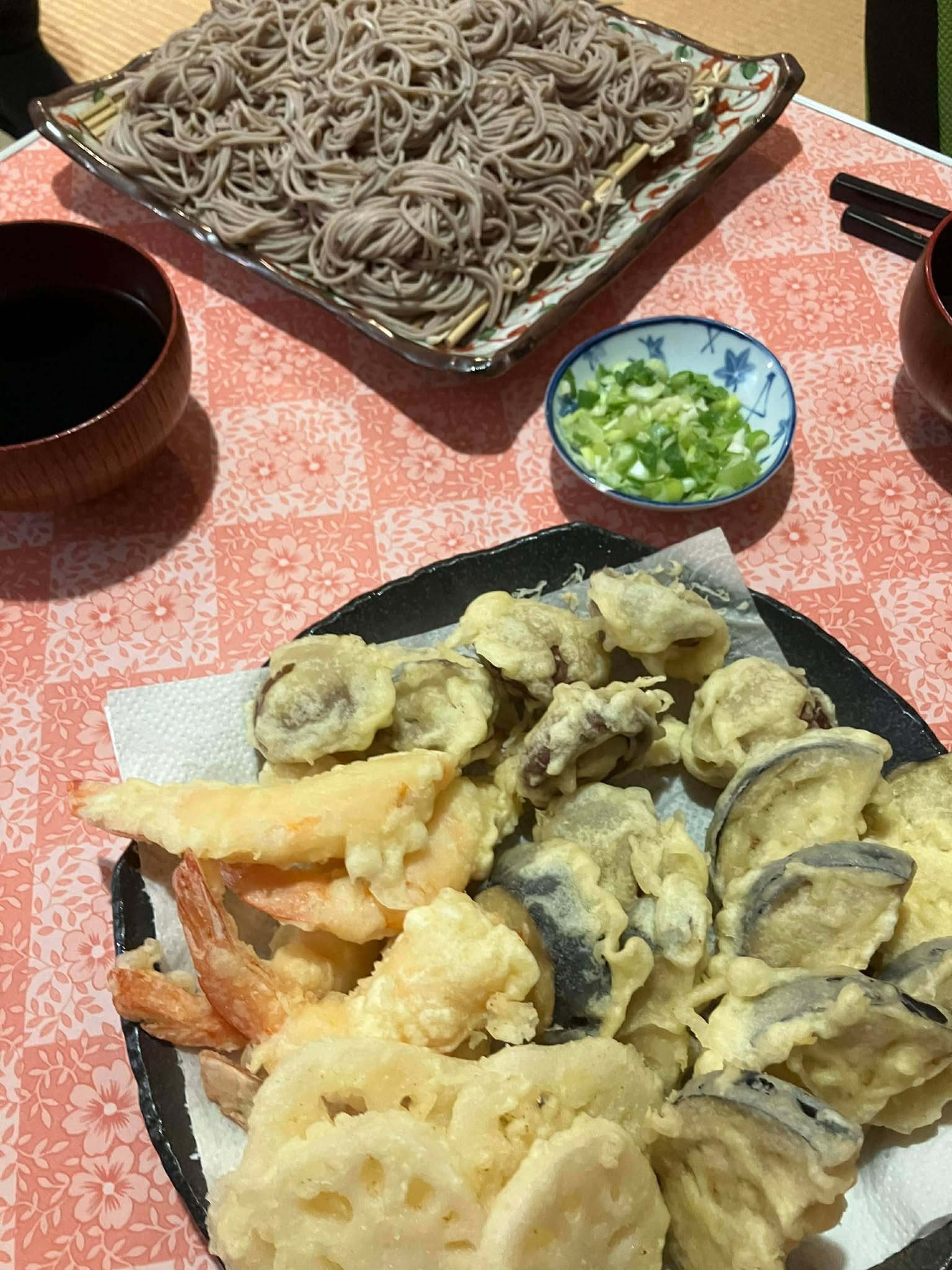
The last day of the year
December 31 is Ōmisoka, the last day of the year in Japan. From deep cleaning and toshikoshi soba to temple bells and New Year’s greetings, this is how I remember celebrating it.
Christmas in Japan
Christmas looks quite different in Japan. From KFC and strawberry shortcake to romantic Christmas Eve traditions, here’s how Christmas became a Japanese winter celebration.
The Departing Bird…
“The departing bird does not muddy the water behind it.” A Japanese proverb about leaving gracefully, taking responsibility and not leaving a mess for others.
The Art of Giving up your Seat
Giving up your seat sounds simple, but it can become surprisingly awkward. A small lesson in Japanese thoughtfulness, dignity and omoiyari.
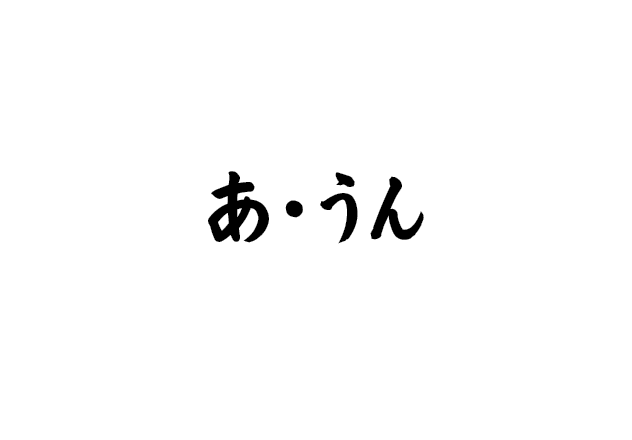
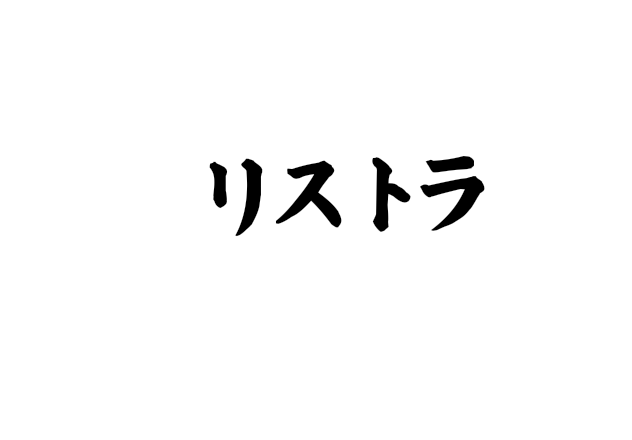
I got restructured.
In Japan, losing your job can be described in very different ways. Explore リストラ (risutora), 解雇 (kaiko) and 首切り (kubikiri), and the different tones behind each word.
