
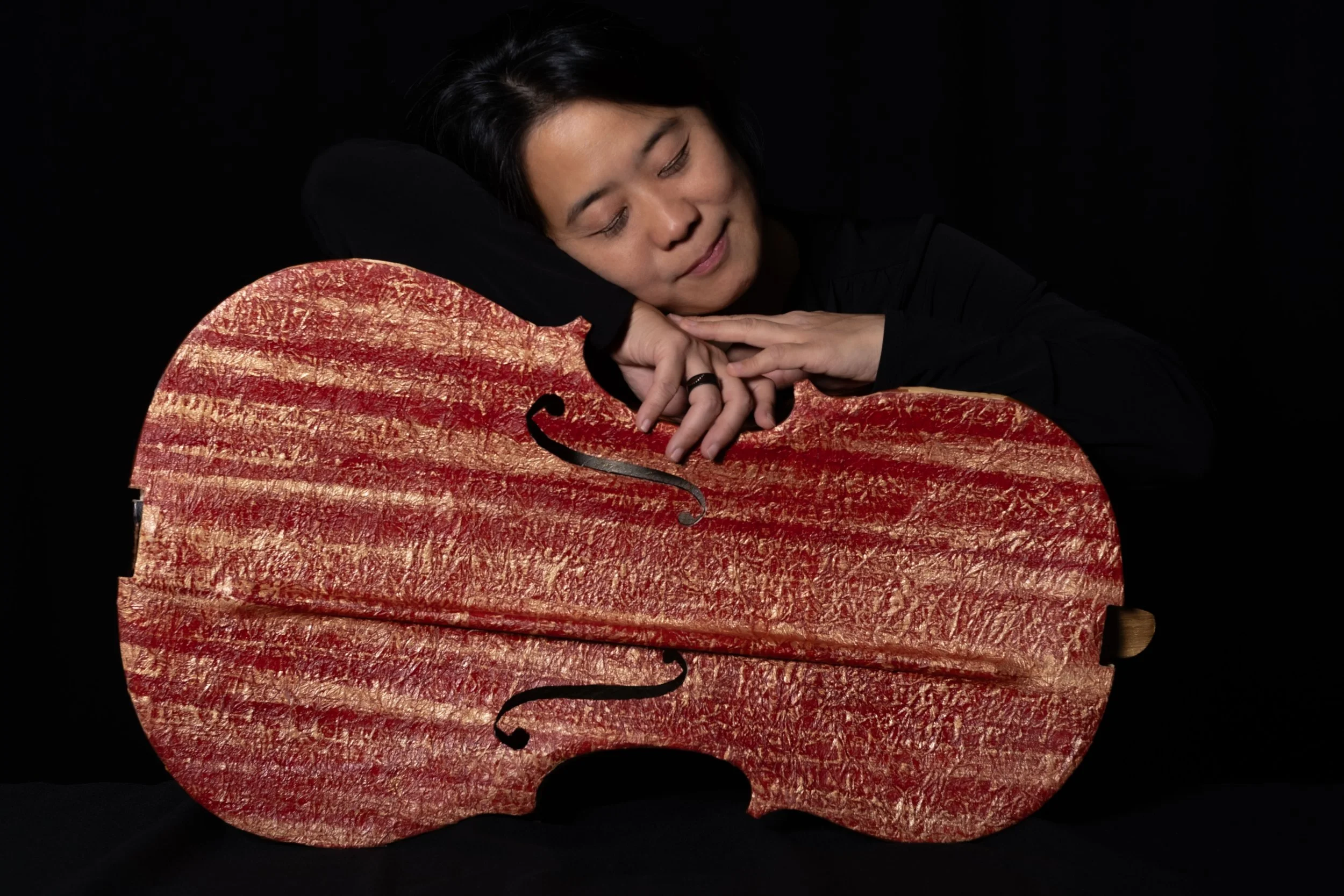
The Sound of Silence
What does silence really mean? From the sounds of the forest to John Cage's 4′33″, I explore how learning to listen changed my relationship with silence.
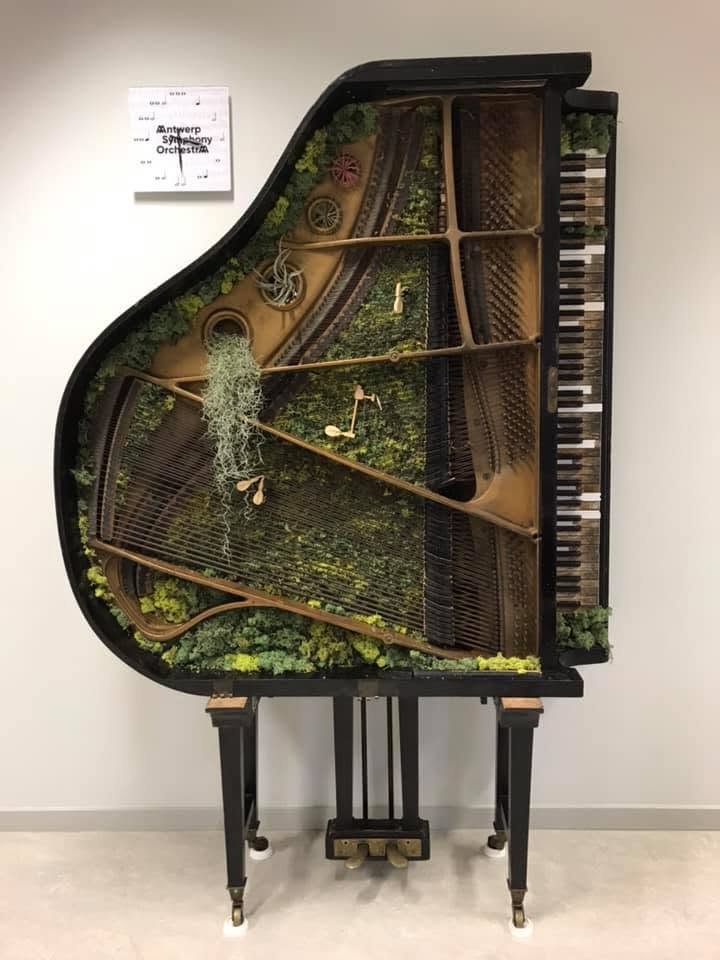
The Art of Letting Go
Letting go sounds simple, but what does it really mean? From a piano that held personal meaning to my experience with mindfulness, I explore letting go, acceptance and the art of letting things be.
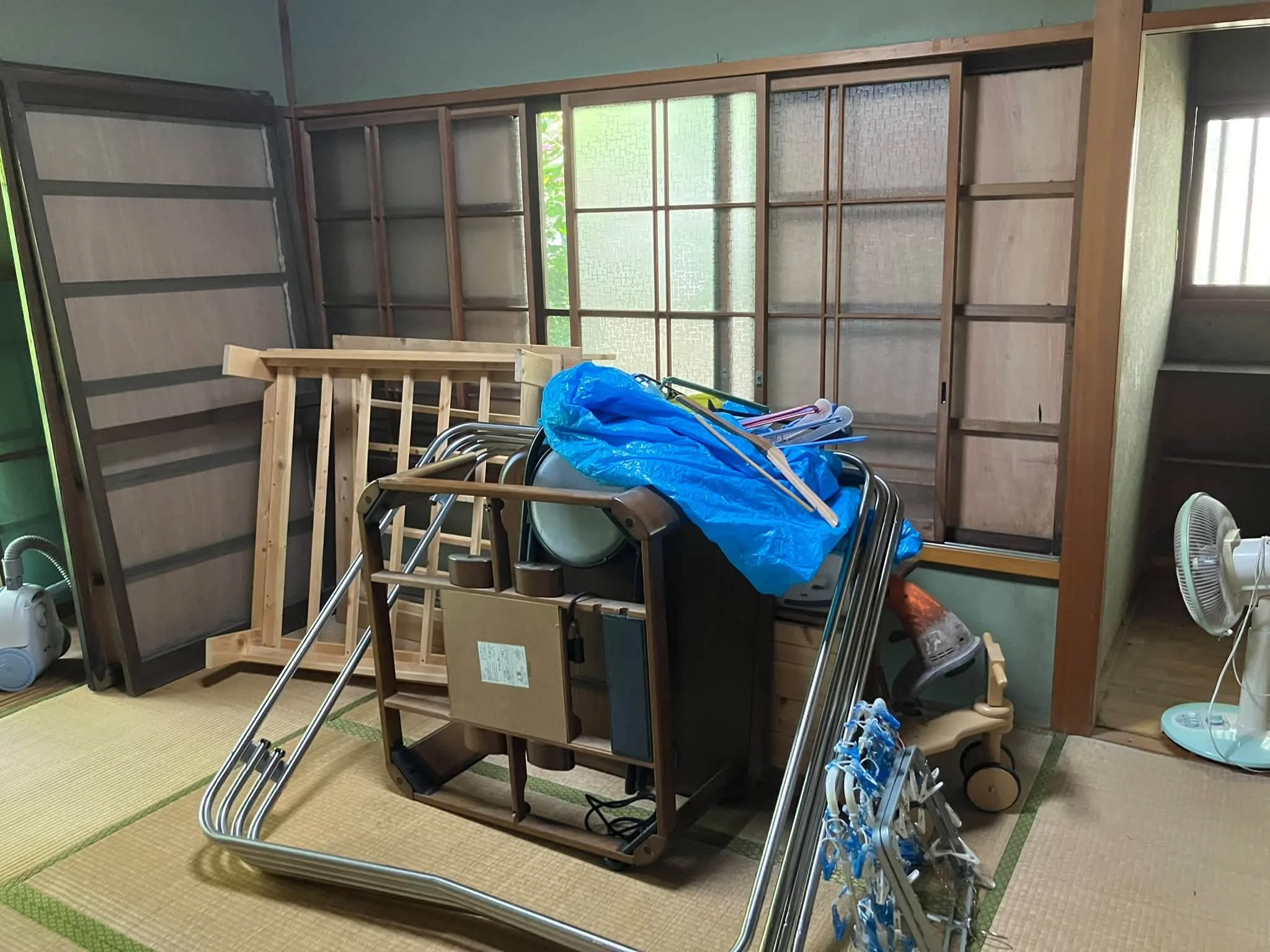
Akiya: Why Are So Many Japanese Houses Empty?
Why are there so many empty houses in Japan? From akiya and inherited belongings to shūkatsu and traditional homes, I look at what happens when a house reaches the end of its life.
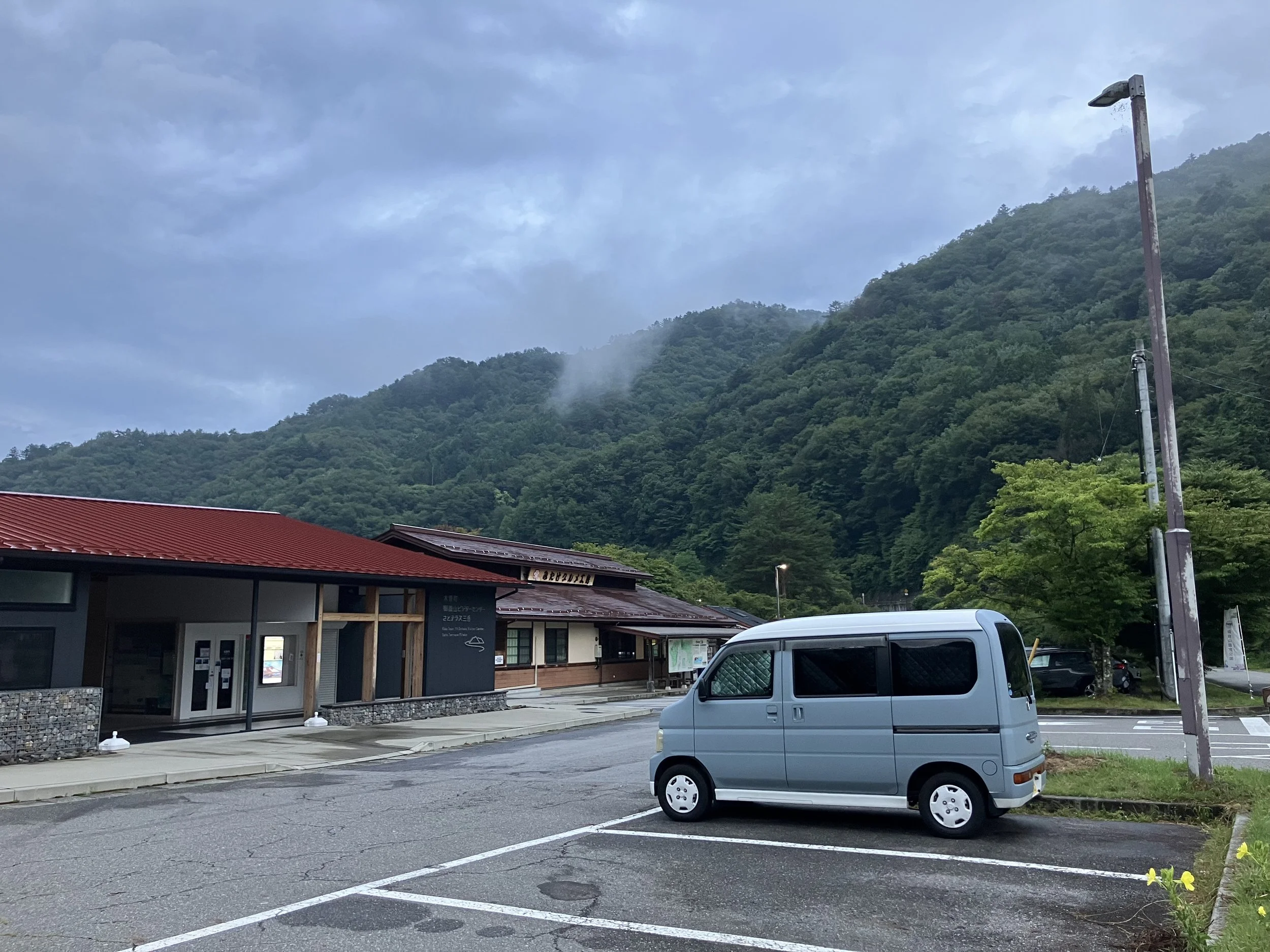
Van Life in Japan: Trying Out a Kei Camper Van
We wanted to try van life in Japan, so we rented a tiny kei camper and set off from Tokyo. Here’s what we discovered about 車中泊, roadside stations, RV parks and camping in the Japanese summer.
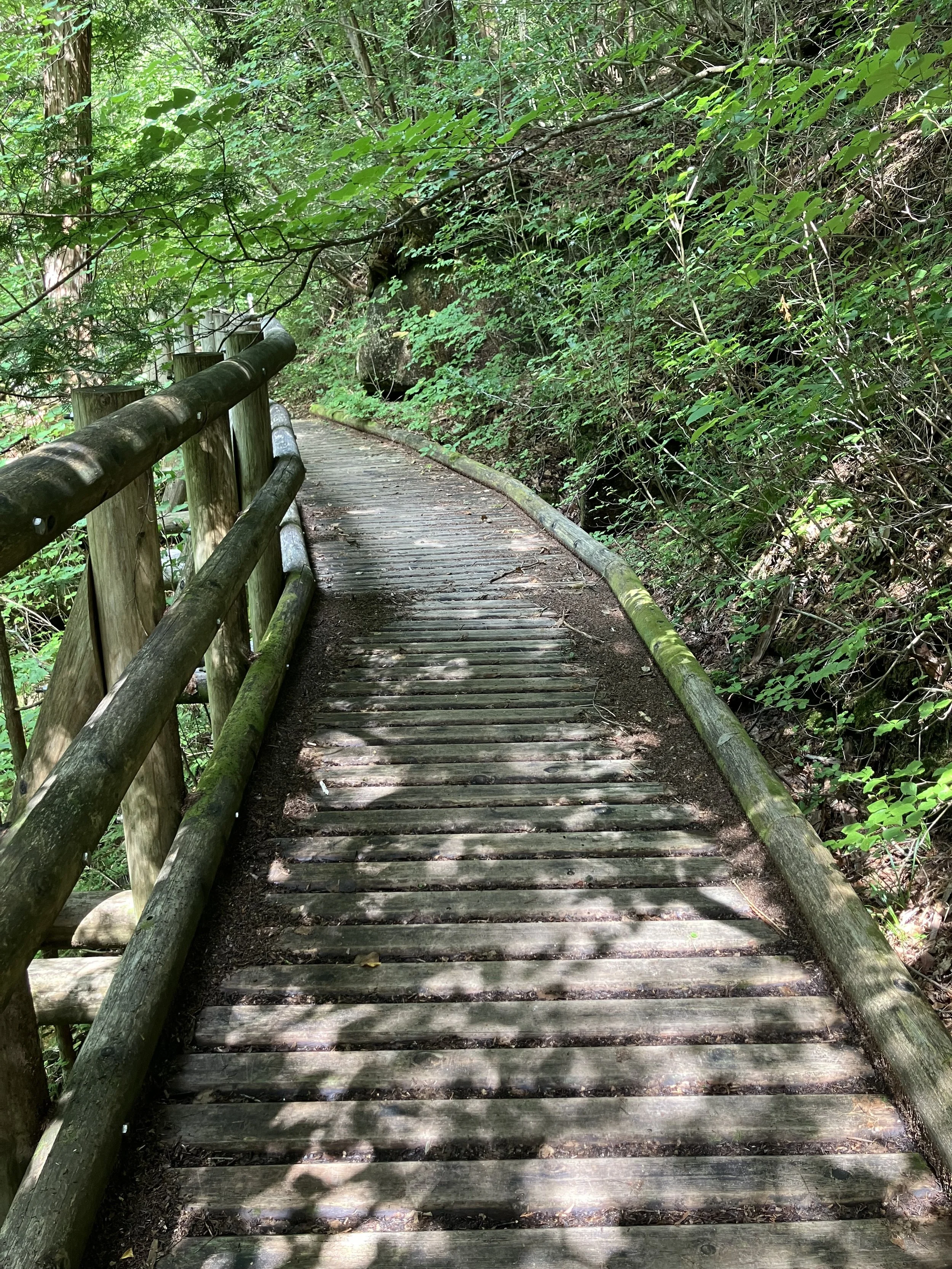
Akasawa Natural Recreation Forest: Where Shinrin-yoku Began
I visited Akasawa Natural Recreation Forest in Nagano just after completing my Forest Therapy Guide course. Known as the birthplace of shinrin-yoku, this ancient Kiso hinoki forest taught me a lot about forest bathing — including how to capture the komorebi.
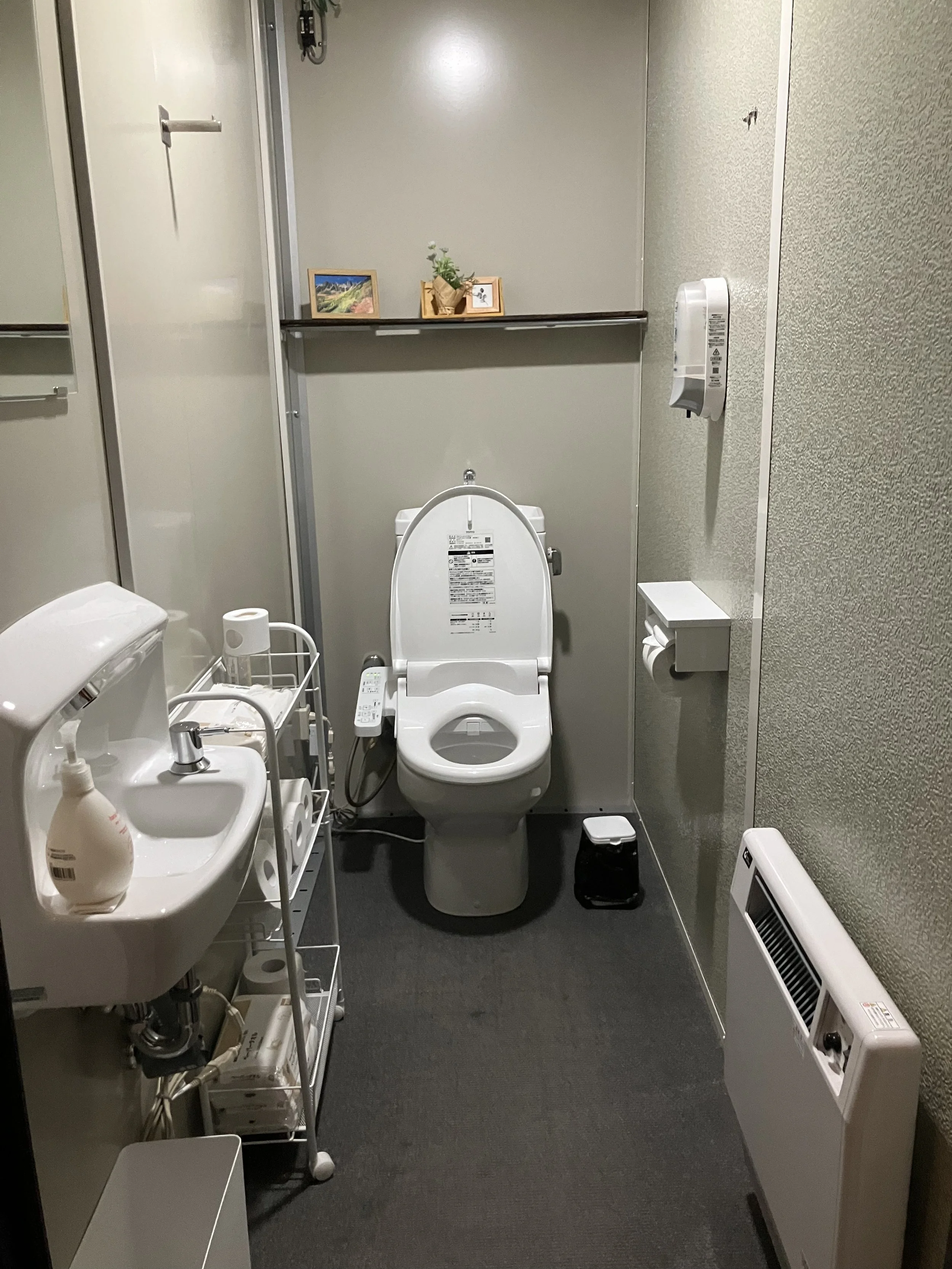
Why I Miss Japanese Toilets
I miss Japanese toilets already. From washlets and heated seats to clean, free public toilets, Japan has turned something completely ordinary into a surprisingly pleasant experience.
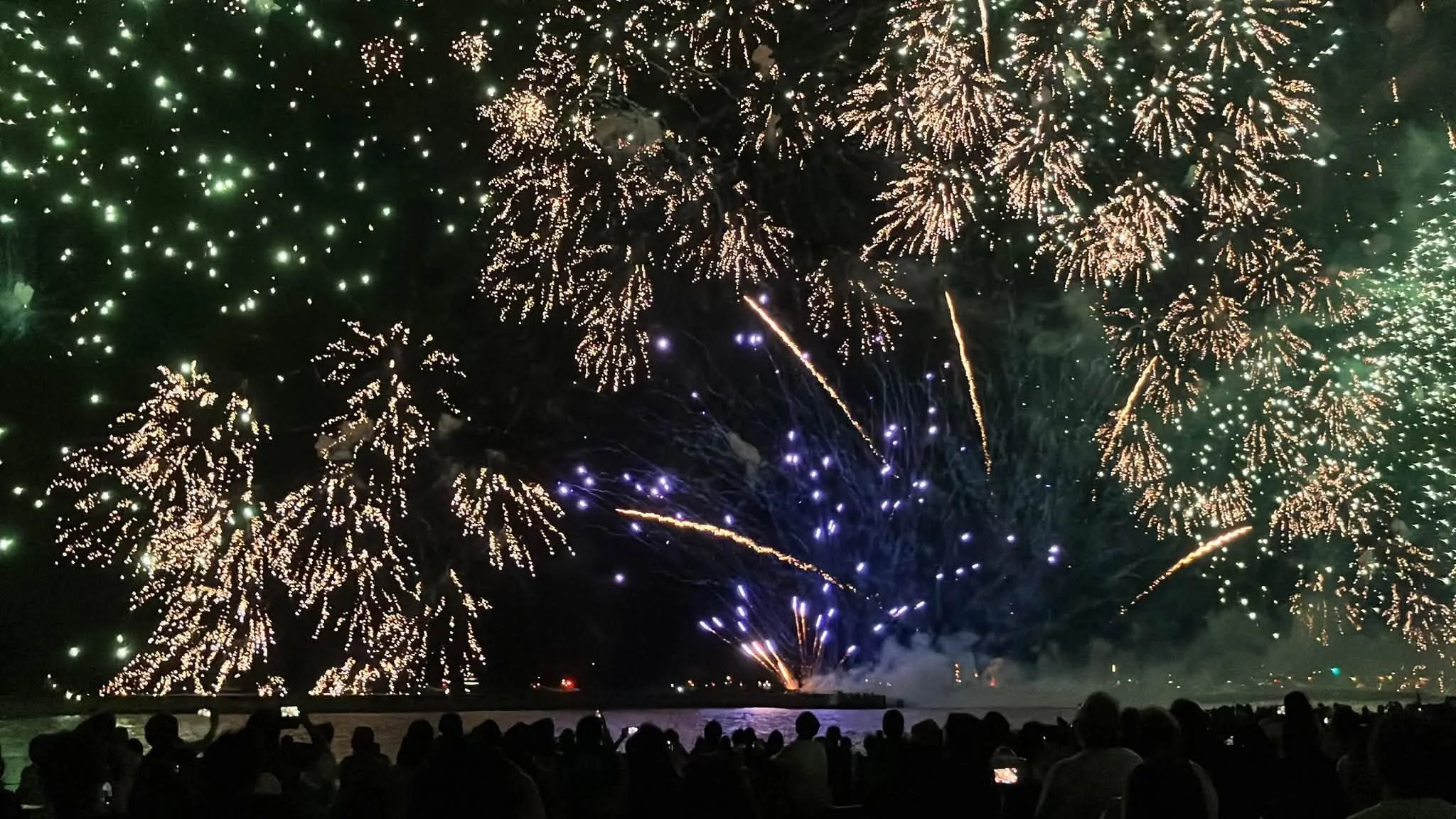
Fireworks: Why Japan Saves Them for Summer
In Japan, fireworks mean summer. I finally experienced a Japanese fireworks festival from the beach — 20,000 fireworks, bentō, trains and a perfect summer night.
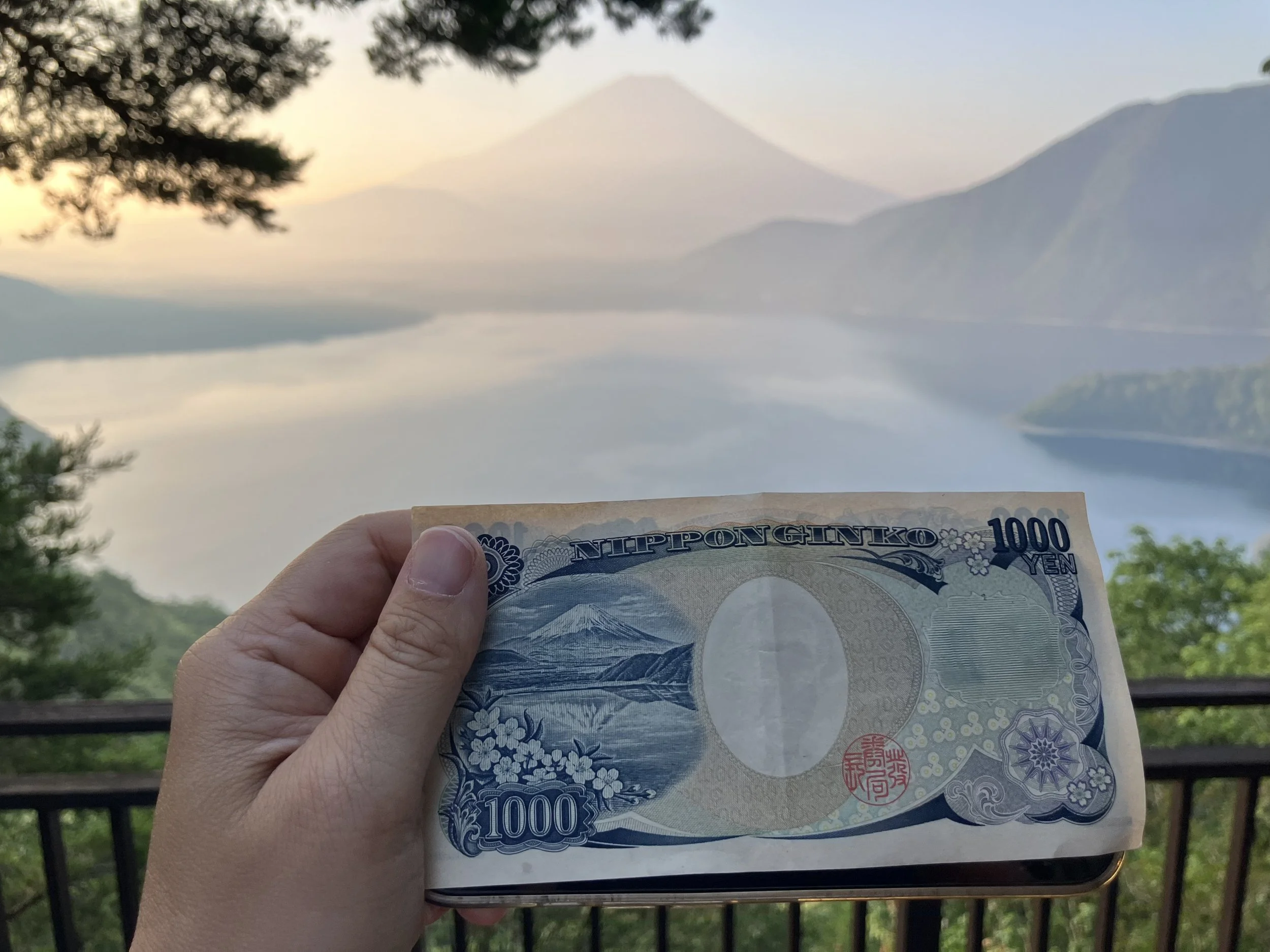
Mount Fuji: The Mountain You Might Not See
We spent three days at Motosu Lake trying to see Mount Fuji in the summer. From a glimpse through the clouds to a 4 am sunrise, this is what finally happened.
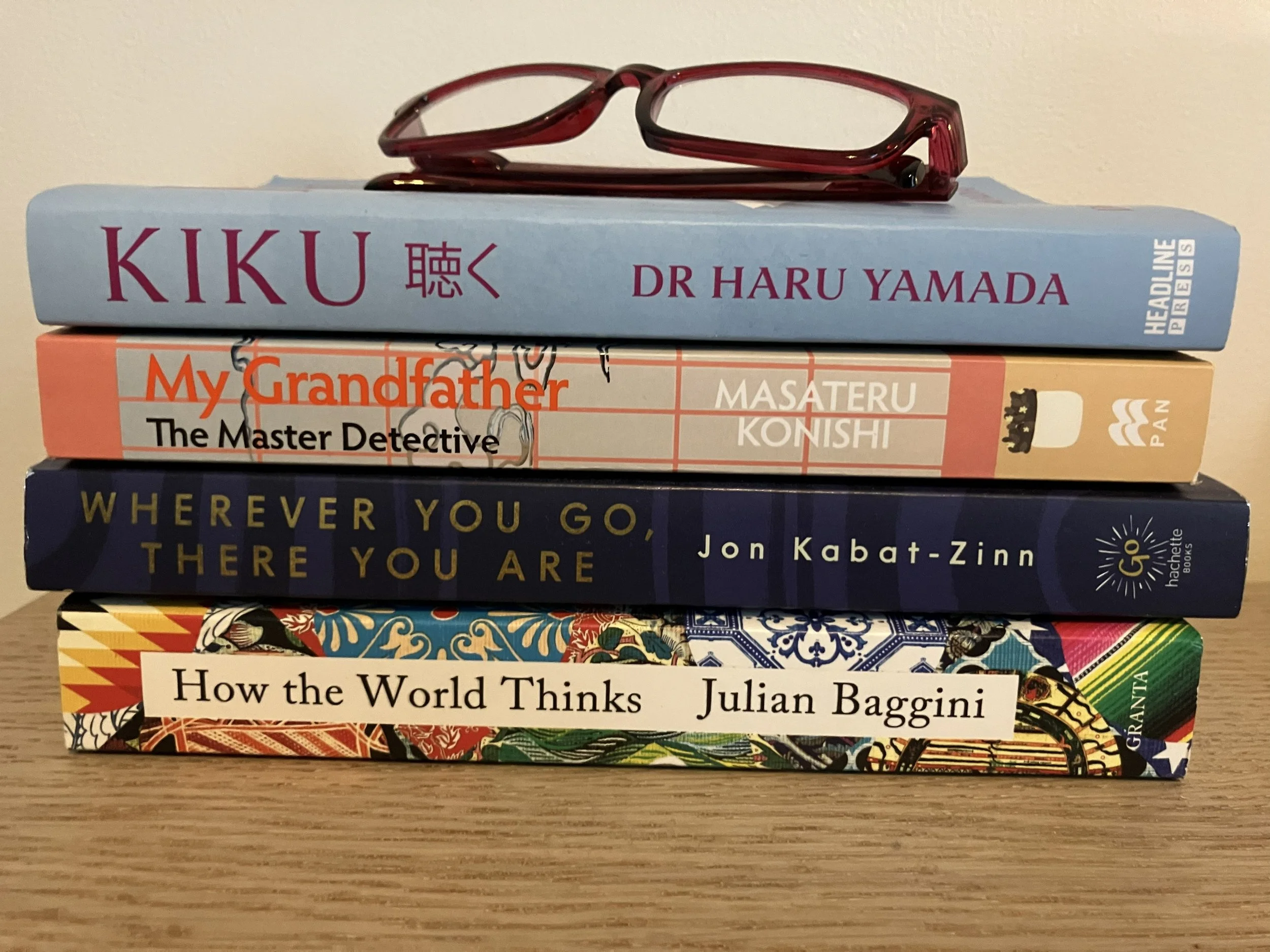
Tsundoku (積読, tsundoku): The Art of Buying Books You Haven't Read (Yet)
A Japanese word led me down a linguistic rabbit hole, and back to my own ever-growing pile of unread books. Why do we buy books we aren't ready to read yet?
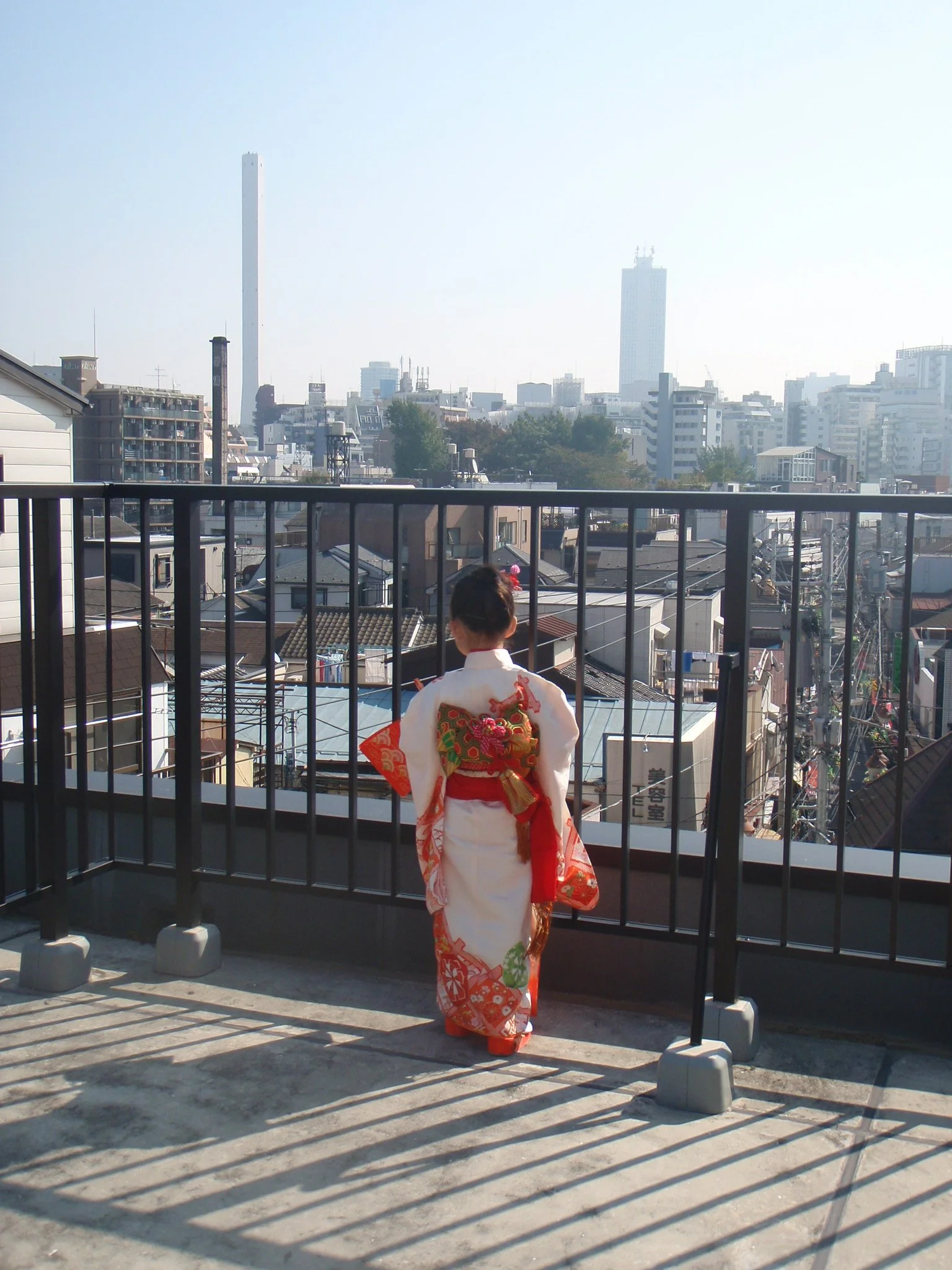
Furusato – What Is That?
What is your furusato? It is usually translated as “hometown,” but for me, it is a place I wasn’t born or even raised in: Ikebukuro, where five generations of family memories remain.
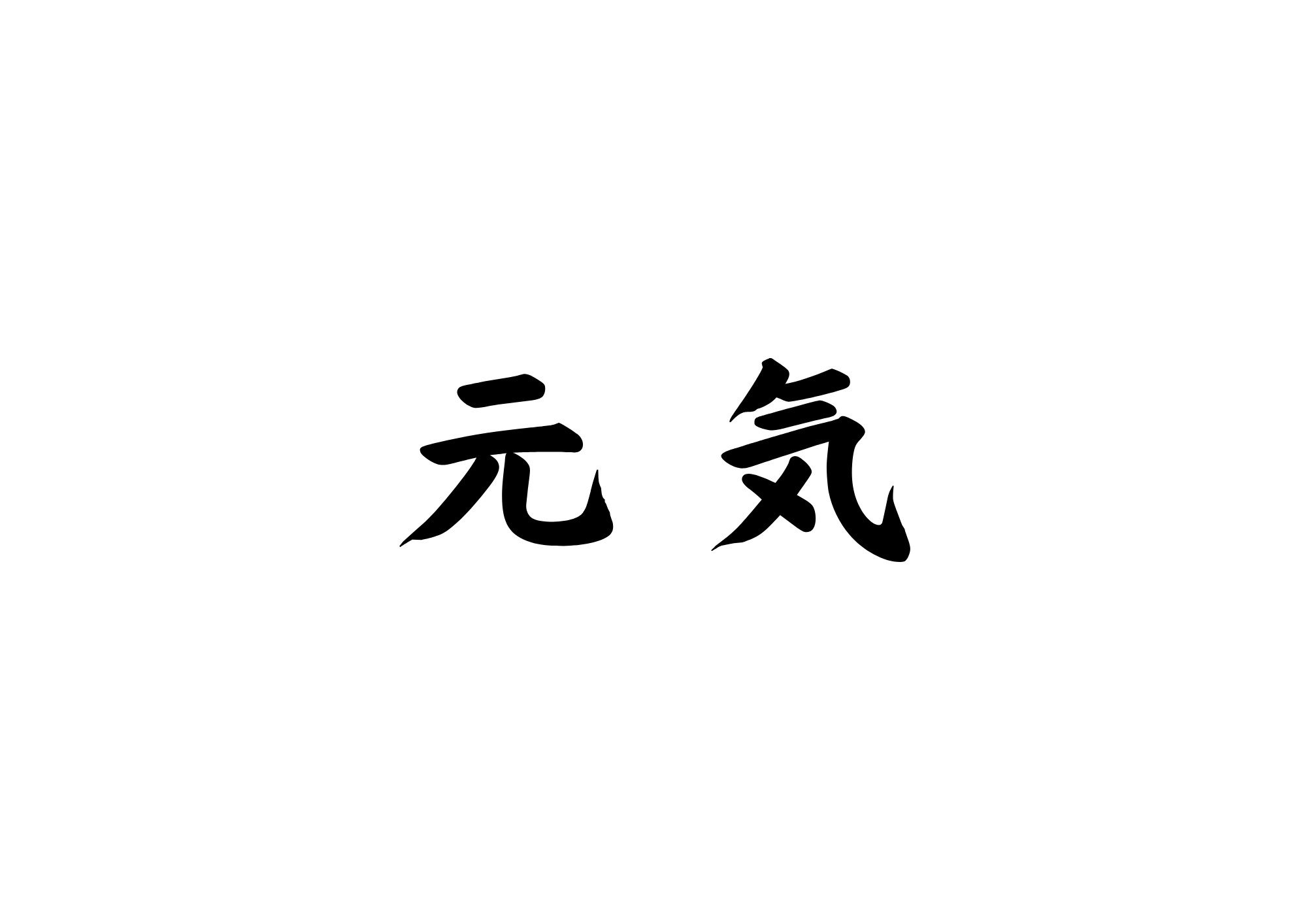
What does Genki really mean?
What does 元気 (genki) really mean? More than simply “healthy” or “fine,” genki connects wellbeing, energy and vitality—and opens the door to the many meanings of 気 (ki).
ぎっくり腰 (gikkuri-goshi) になった。
In English, you pull your back. In Dutch, you go through your back. In Japanese, you get a ぎっくり腰 (gikkuri-goshi). Here’s what the expression means—
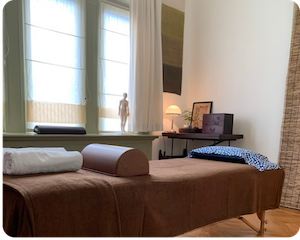
Photo of Shiatsu Garden in Rotterdam
Kodomo no Hi
May 5 is Kodomo no Hi, Children’s Day in Japan. Discover the story behind koinobori, Tango no Sekku and the Five Seasonal Festivals of Japan.
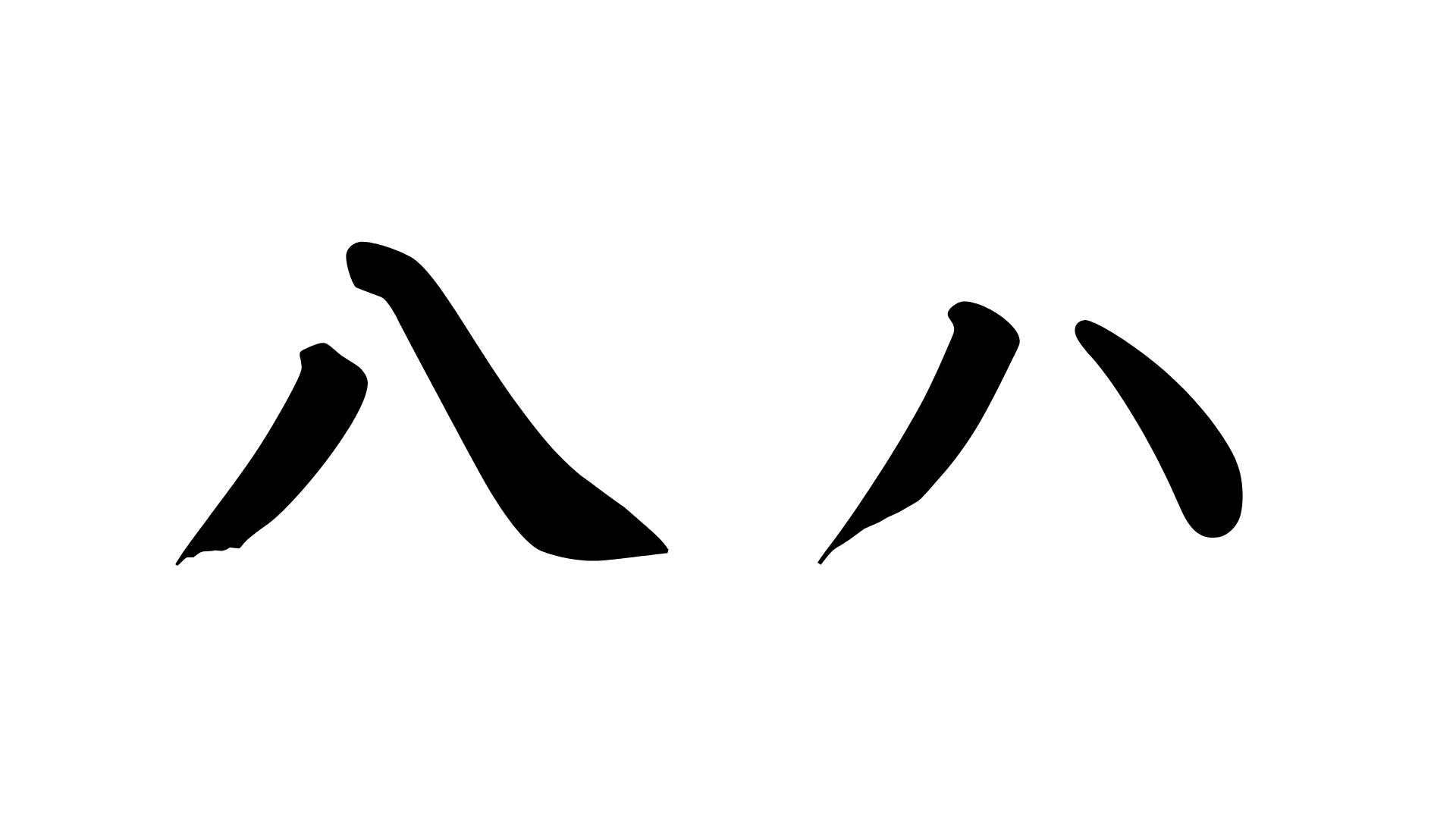
Is 八 (hachi) the same as ハ (ha)?
八 and ハ look almost identical, but they are not the same character. Discover their surprising connection and how brush writing can help you see the difference.
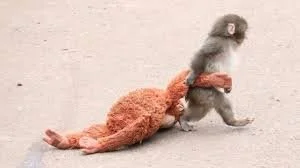
Learn Japanese with Punch
Learn Japanese through the story of Punch the monkey. Discover words for empathy, support, guidance, growing up and the difficult art of letting go.
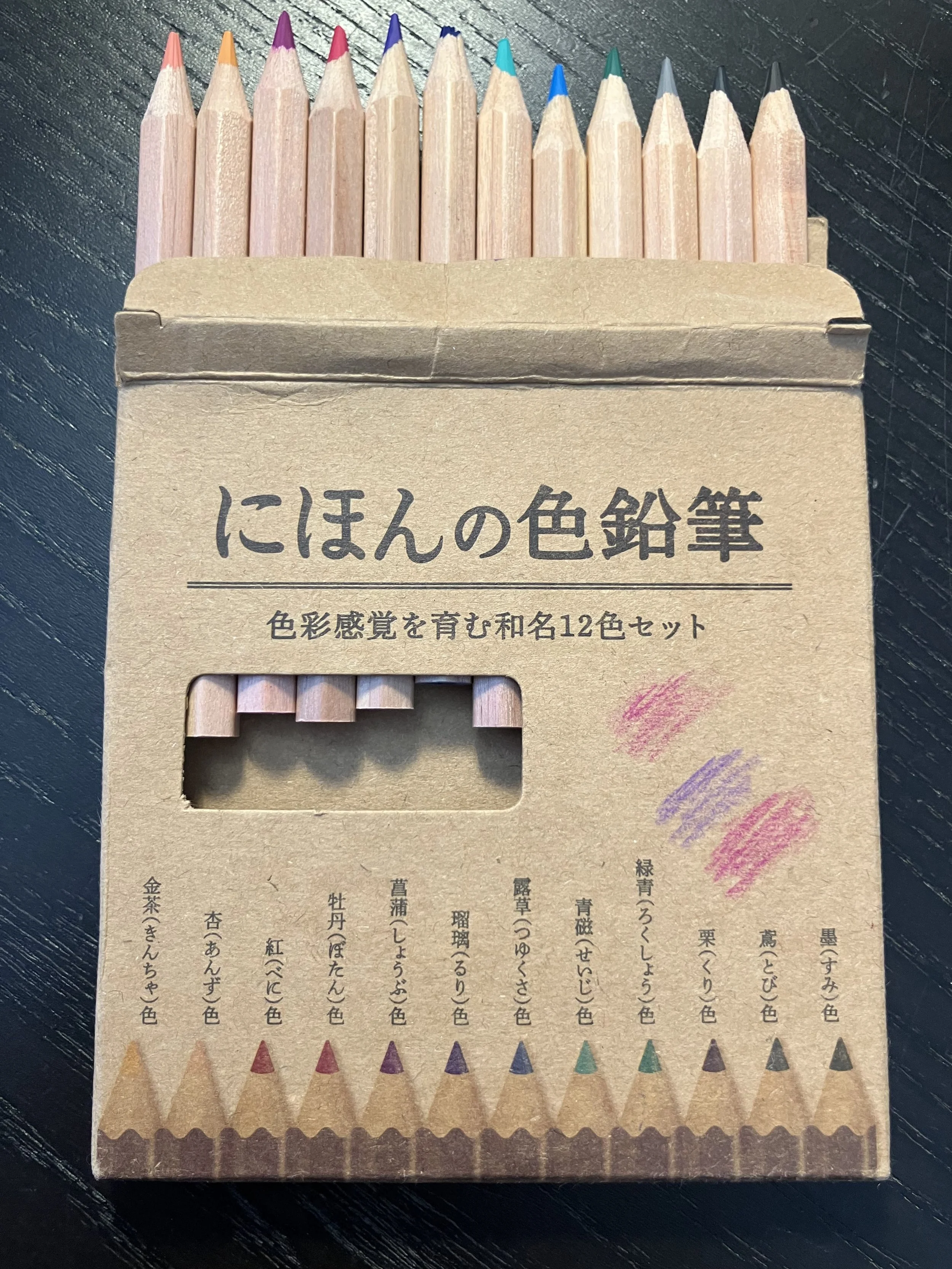
Tea Color, Blue Traffic Lights, and the Poetry of Japanese Colors
Why is brown “tea color” in Japanese? From 茶色 and blue traffic lights to poetic names inspired by nature, discover how Japanese colors can change the way we see the world.
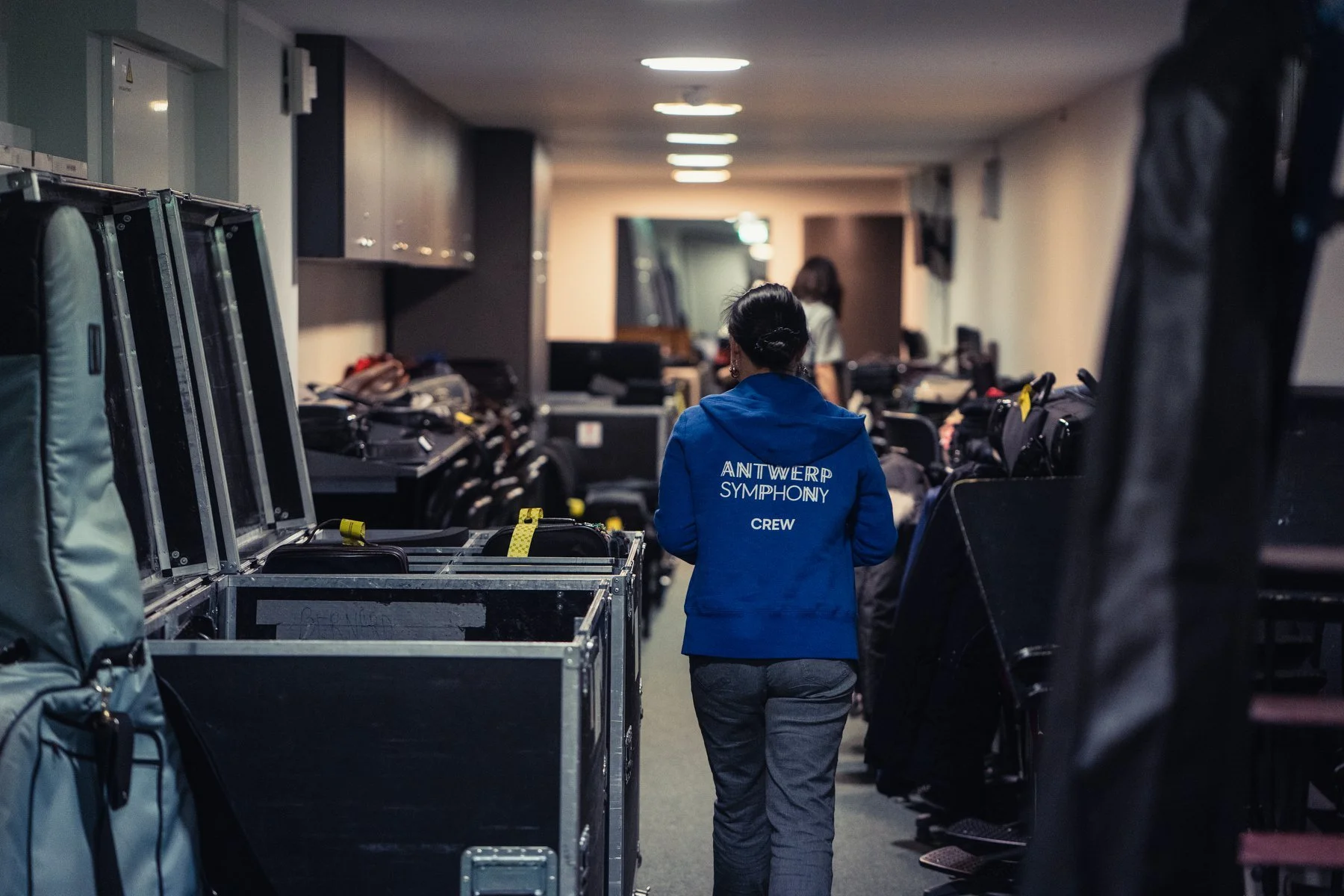
The Strong Ones Under the Stage
縁の下の力持ち means someone who quietly supports others behind the scenes. For me, it perfectly describes the often invisible work of orchestra stage managers.
photo by Vincent Callot
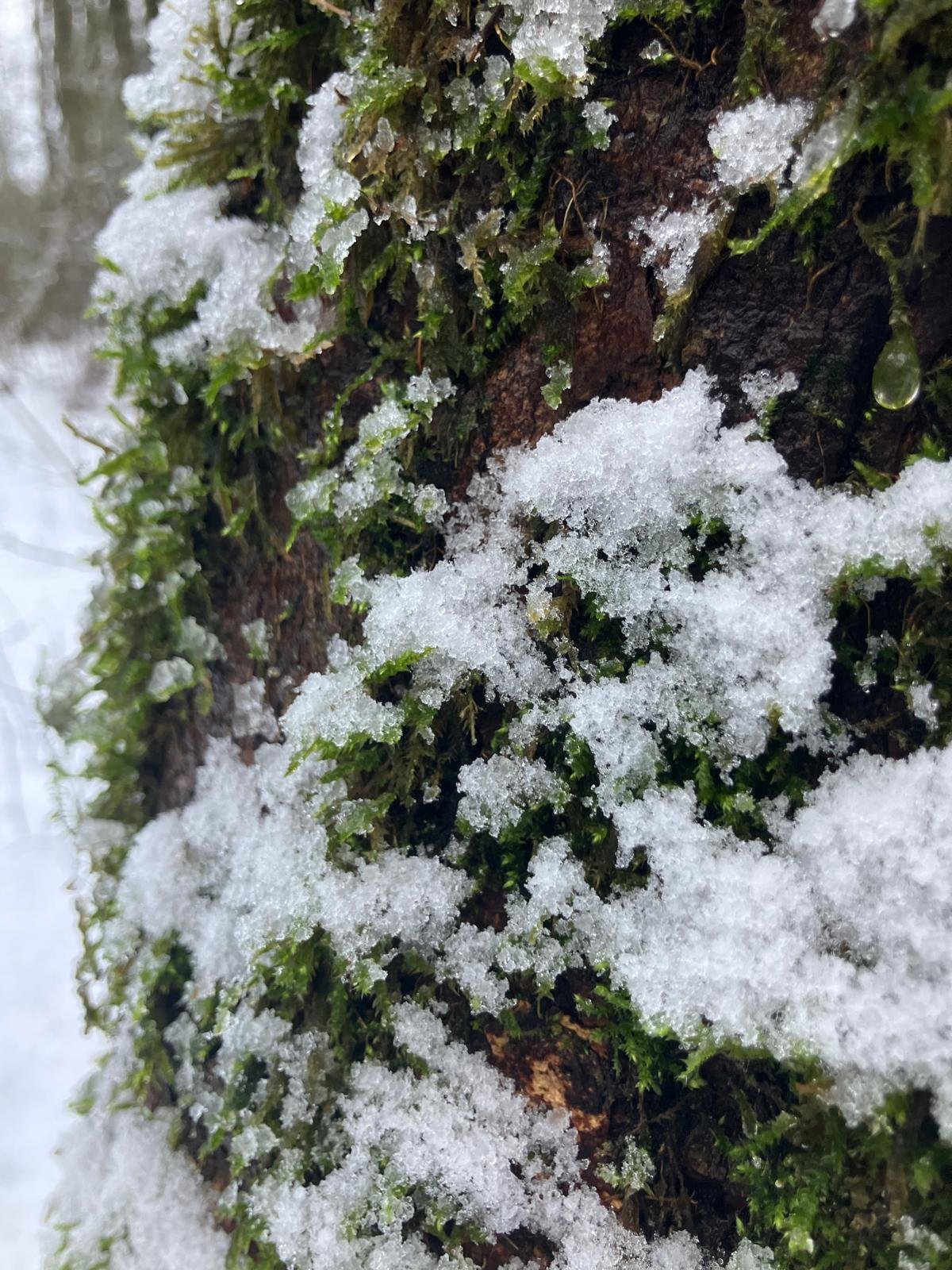
Snow falls in Japanese
In Japanese, snow doesn’t “snow”—it falls. Discover 雪 (yuki), 降る (furu), and some wonderfully expressive Japanese words for the sounds and textures of snow.
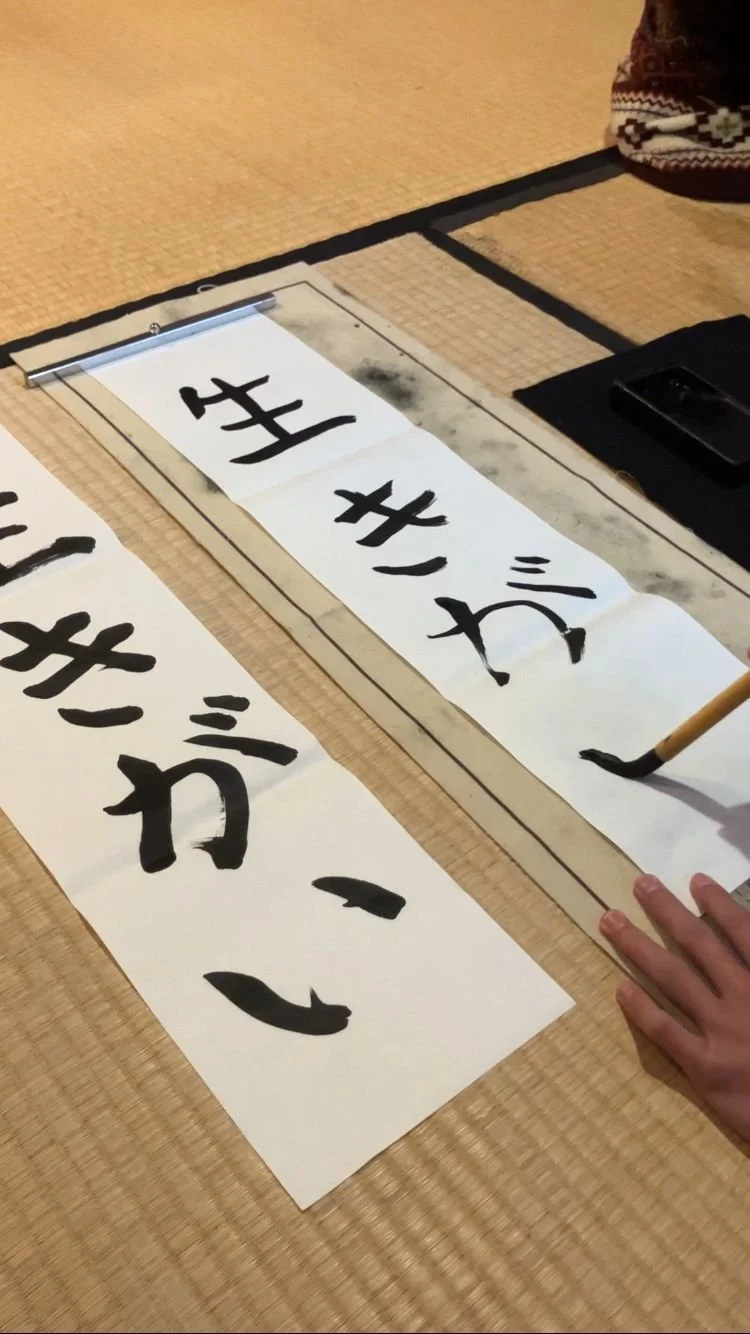
the Day of Beginnings
January 2 is a Day of Beginnings in Japan. Growing up, it meant kakizome—the first calligraphy of the year—and the moment when the New Year already started asking us to begin again.
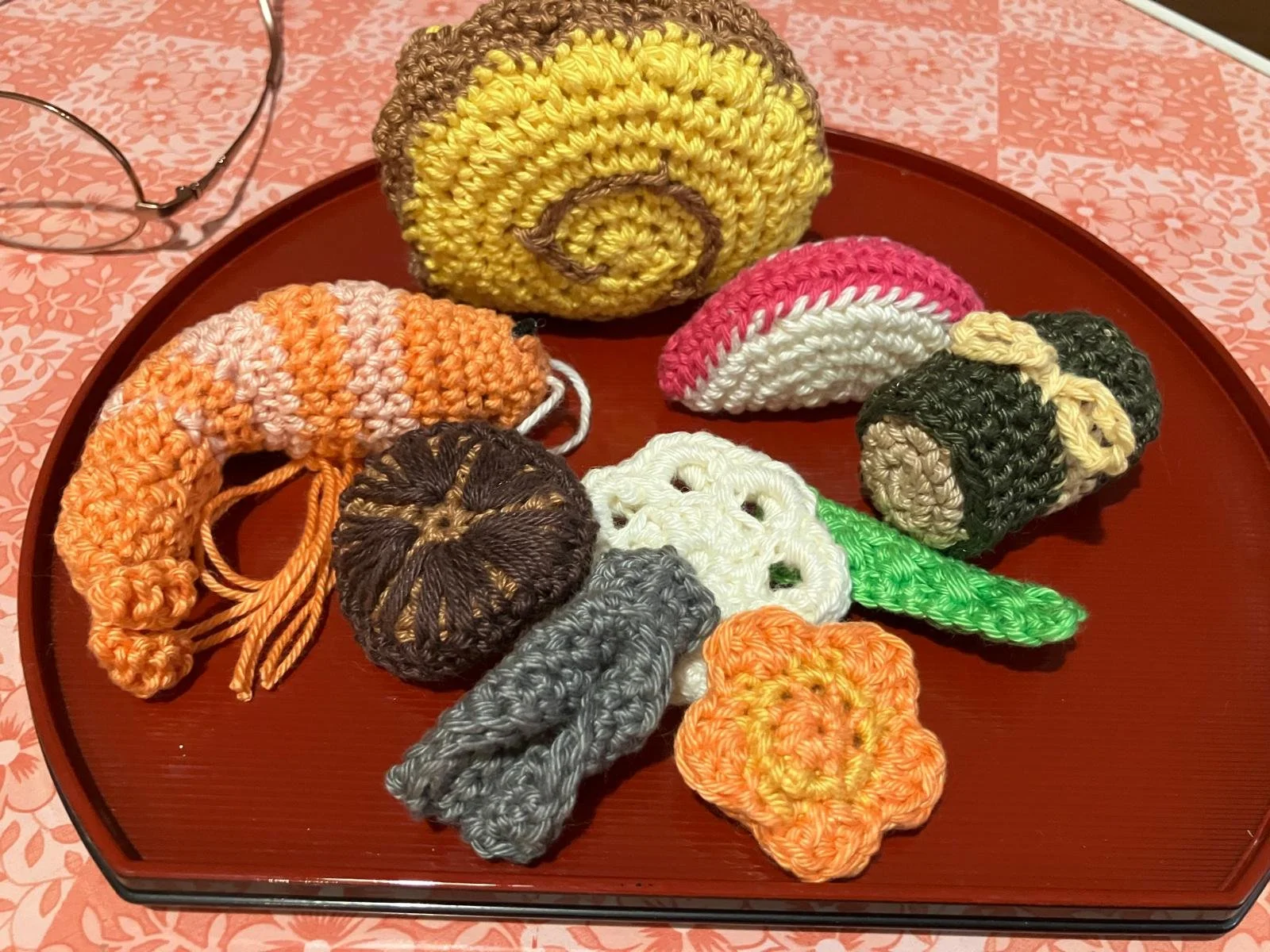
New Year’s Food: Osechi
Osechi ryōri is Japanese New Year food filled with symbolism. I make my own version in Rotterdam, adapting family traditions, ingredients and flavours for a new generation.